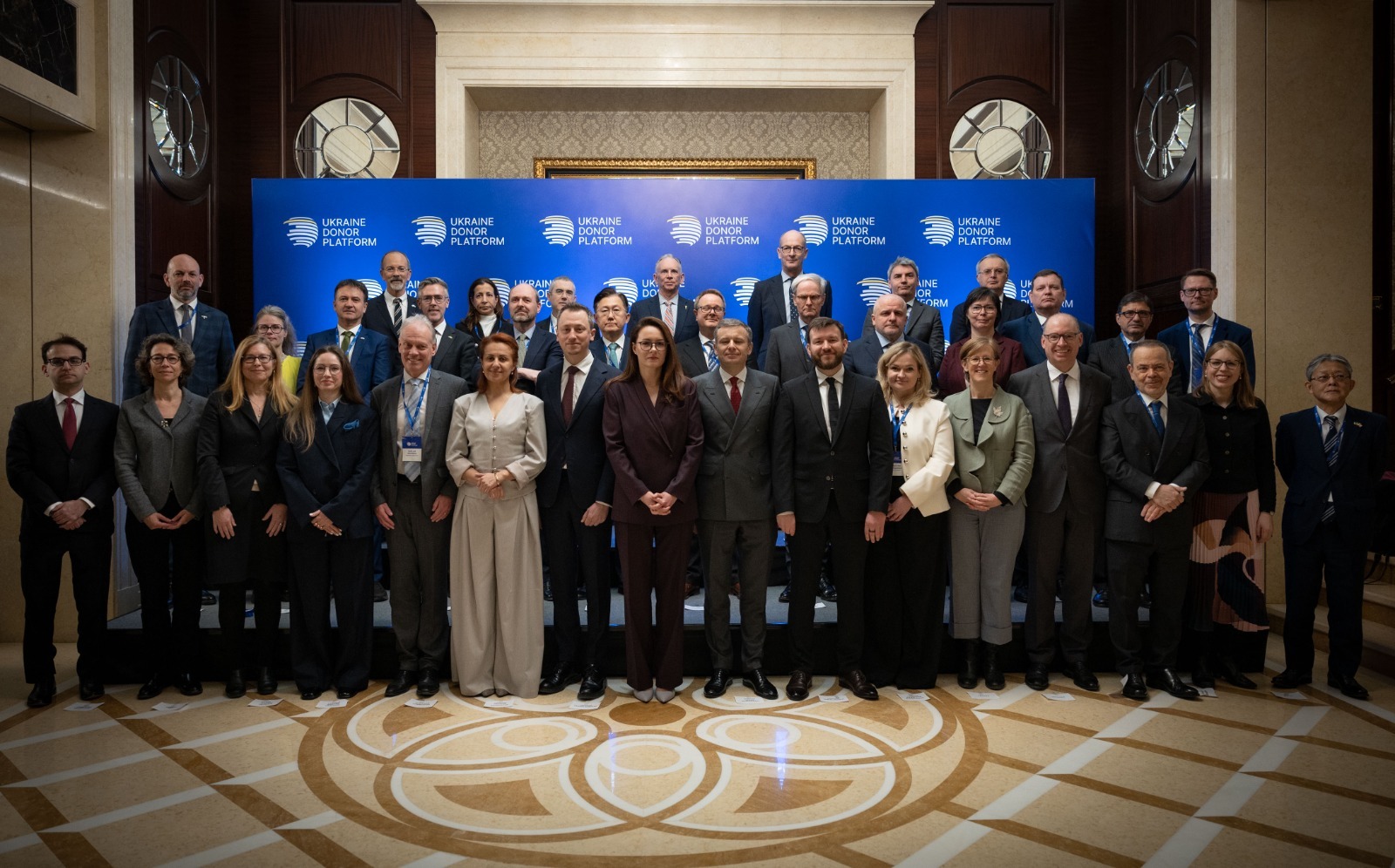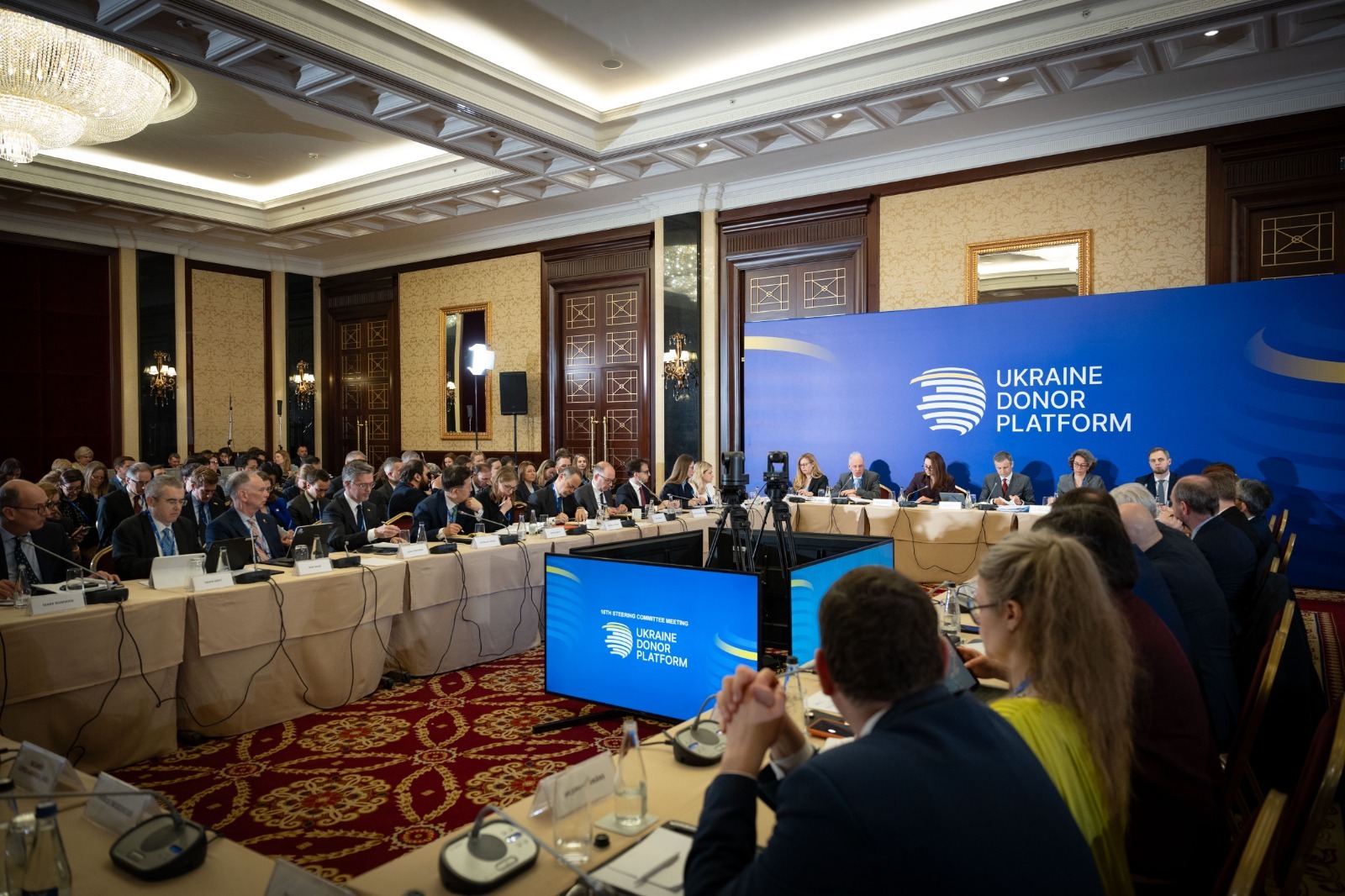
Deputy Minister of Energy of Ukraine Valentyna Moskalenko took part in the 16th Steering Committee meeting of the Ukraine Donor Platform.
During the meeting, government representatives presented to partners the key priorities in strengthening resilience and recovery, particularly in the energy sector.
Ukraine expects substantial support from international partners and donors to cover the needs related to the implementation of comprehensive regional energy resilience plans, with a total estimated value of €5.4 billion.
Valentyna Moskalenko emphasized that the key task at present is preparation for the next heating season, taking into account the lessons learned from the winter of 2025–2026.
Based on these lessons, the Government has developed a National Resilience Plan, grounded in local energy resilience plans. The Plan encompasses the protection of critical infrastructure, the development of distributed generation, decentralized heat supply, and backup power sources. It places particular emphasis on decentralization and the rapid deployment of equipment, enabling the simultaneous construction of generating facilities and their physical protection.
More than 3,000 critical infrastructure facilities requiring protection have been identified, with regions needing nearly €1.8 billion for this purpose. The Resilience Plan also предусматривает deployment of 1.5 GW of distributed generation capacity.
The Deputy Minister outlined the key priorities of the Ministry of Energy in preparation for the next winter season and expressed hope for coordinated cooperation with donors to ensure the timely provision of the necessary financing.
As part of preparations for the 2026–2027 heating season, the Ministry of Energy is focusing on:
- simplifying permitting procedures;
- protecting critical nodes;
- establishing strategic reserves of frequently damaged equipment;
- accelerating the deployment of distributed generation;
- utilizing preserved equipment made available by partners;
- strengthening coordination of resilience planning across electricity, heating, and water supply sectors;
- supporting digital monitoring, automation, and cyber resilience;
- enhancing coordinated planning with the European Union.