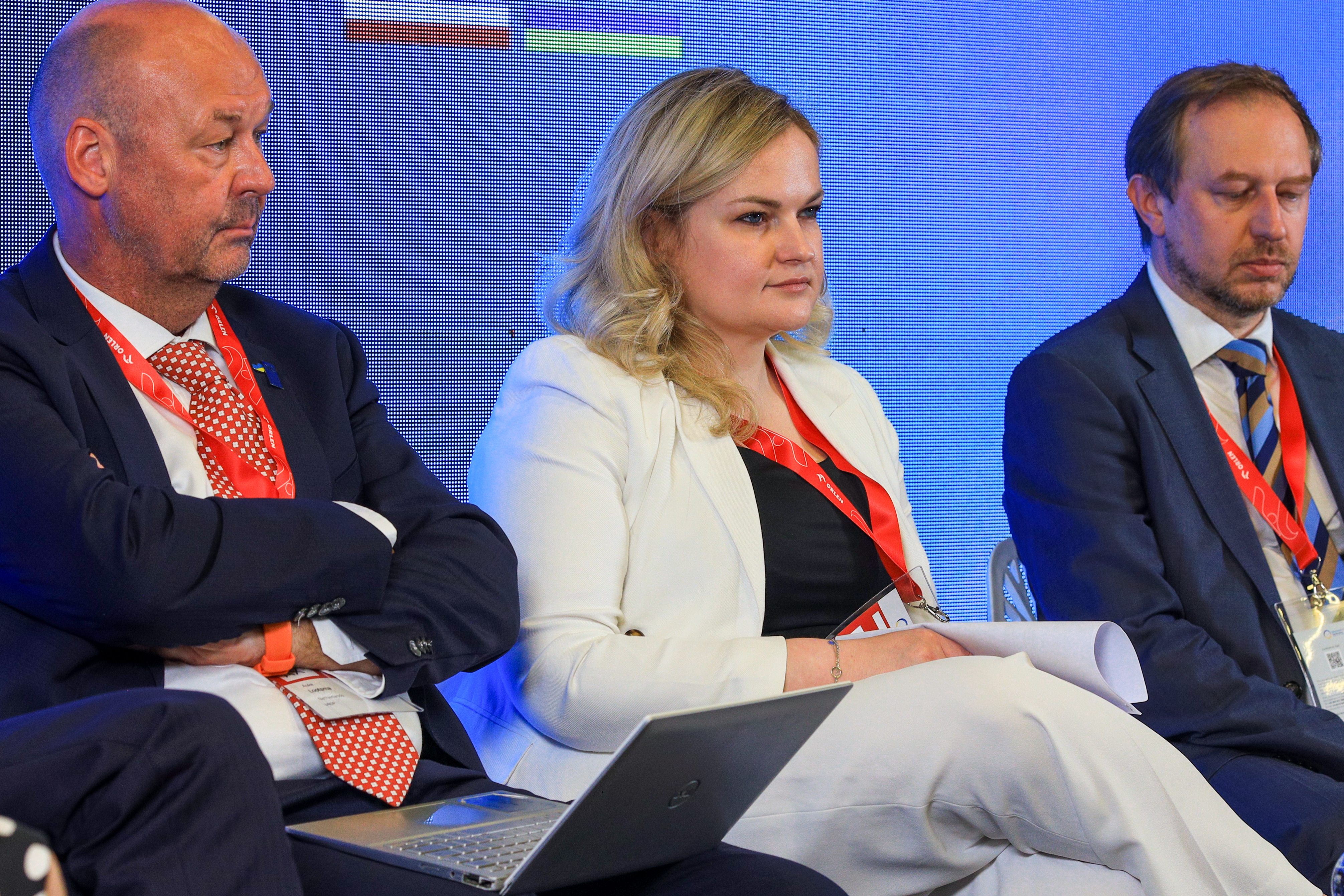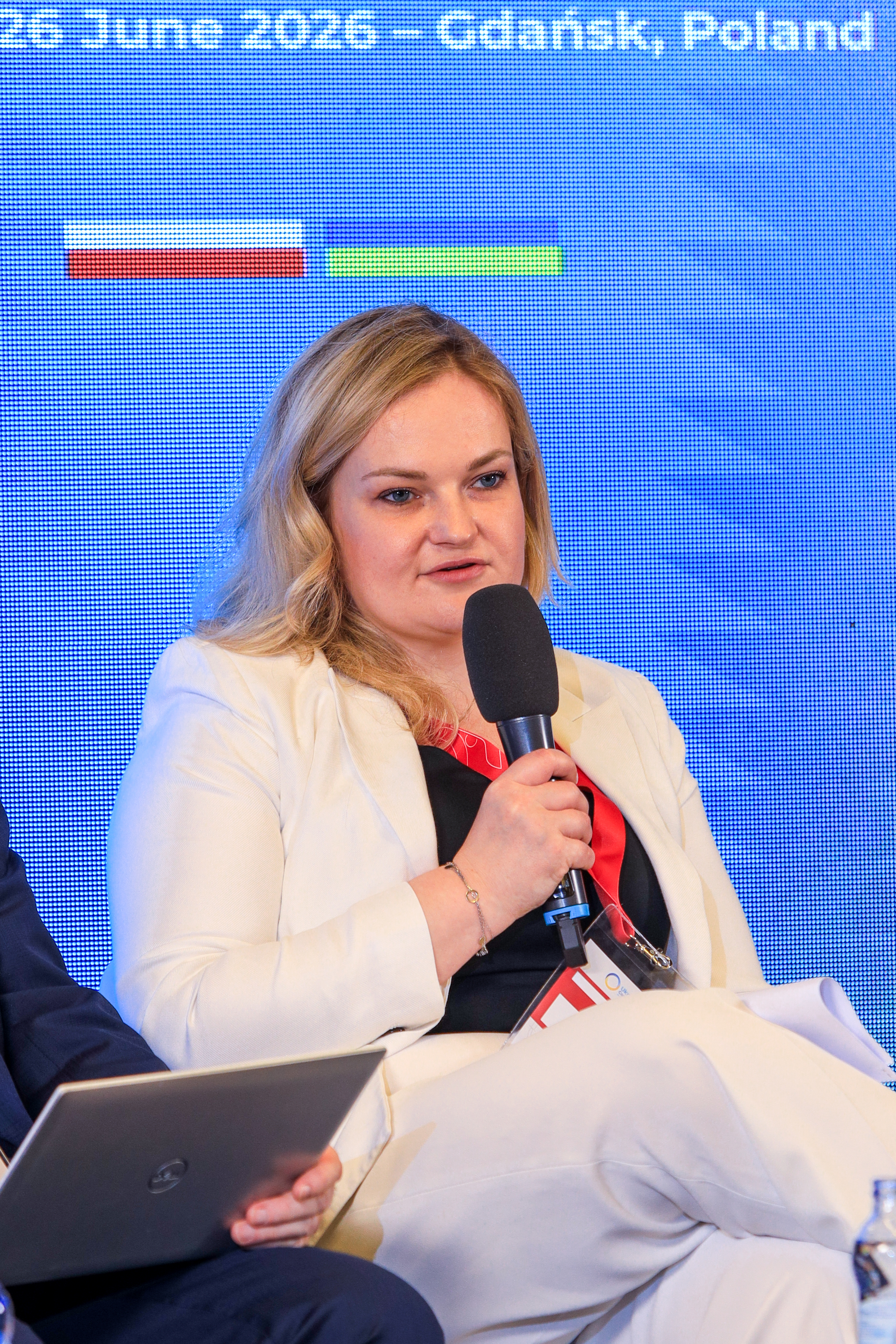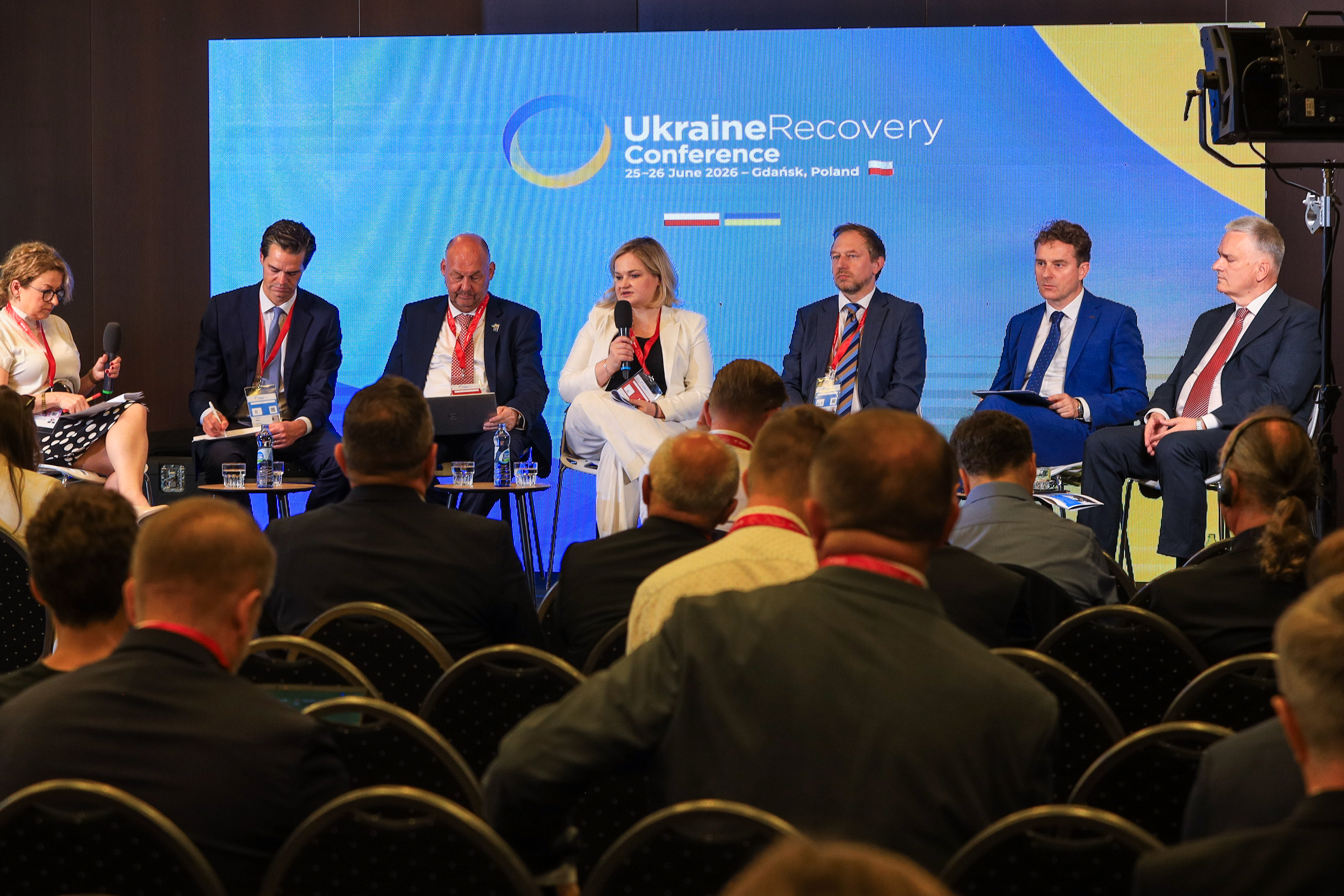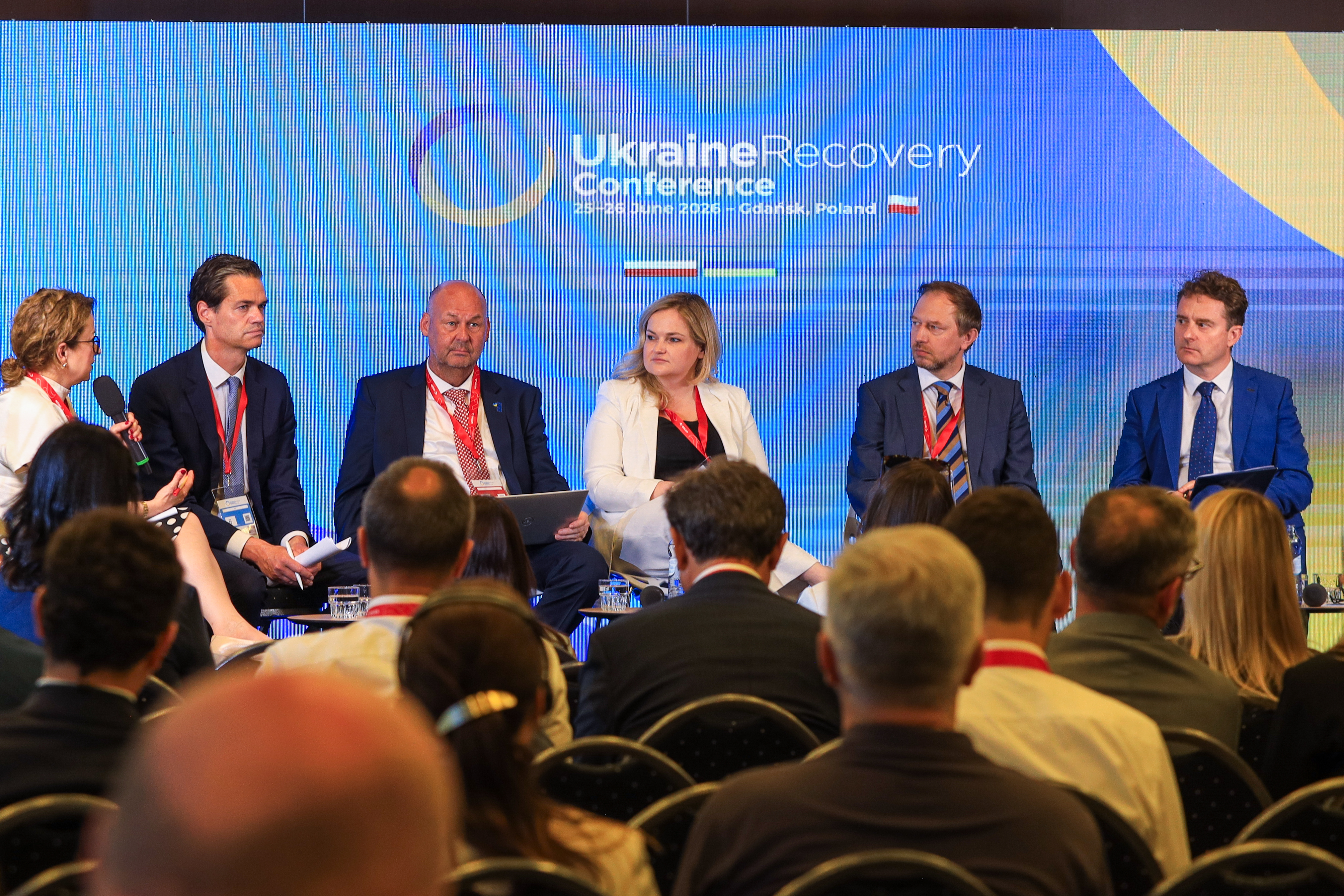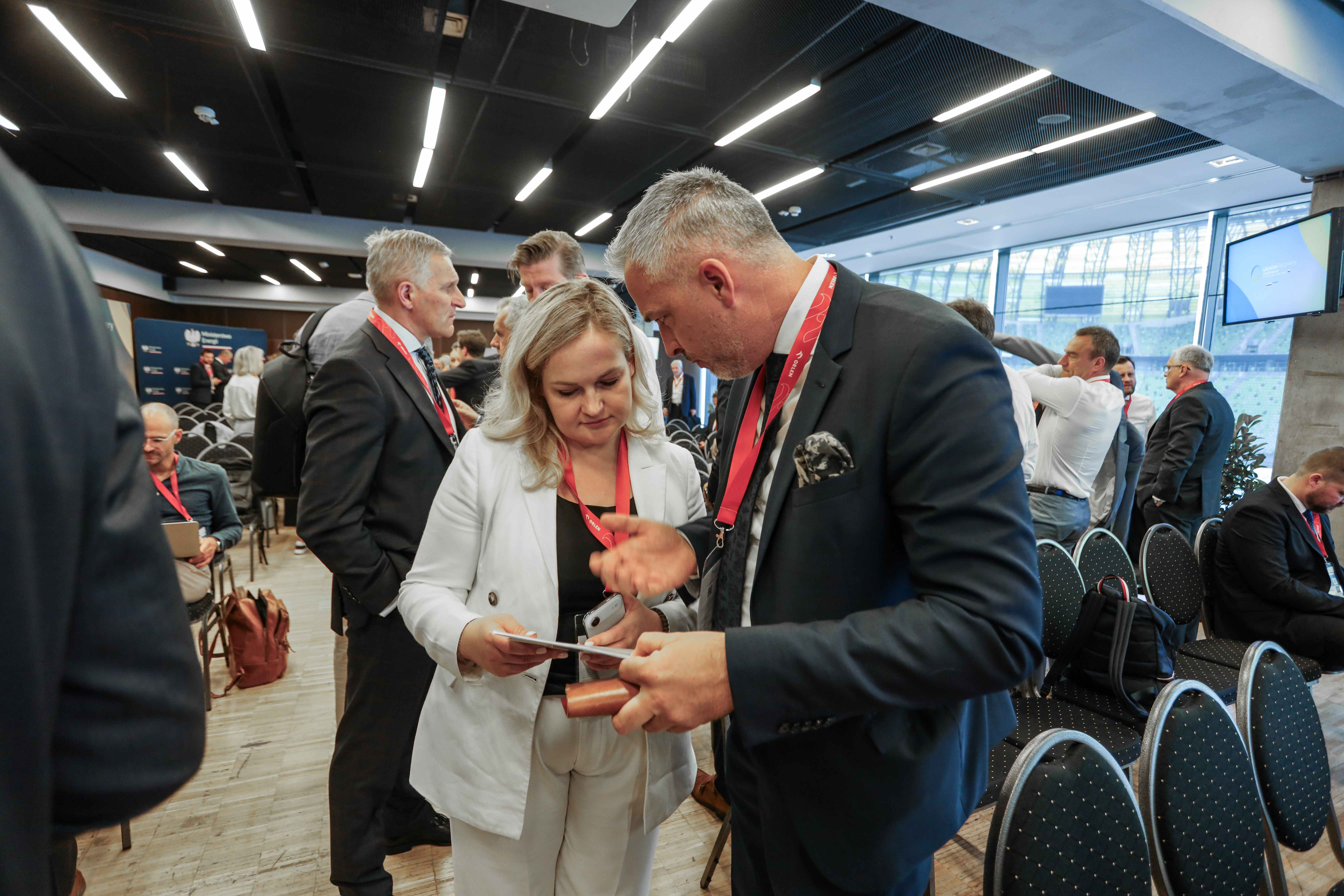
Deputy Minister of Energy of Ukraine Valentyna Moskalenko participated in the panel discussion "Distributed Generation as the Foundation of Ukraine’s Energy Resilience", held during the Energy Platform at the Ukraine Recovery Conference (URC2026) in Gdańsk.
Panel participants discussed the development of distributed generation, investment attraction, cooperation among the government, local communities, and businesses, as well as the role of decentralization in strengthening Ukraine’s energy resilience.
Valentyna Moskalenko stressed that, amid Russia’s ongoing attacks on Ukraine’s energy infrastructure, distributed generation has become a matter of national security and one of the key pillars of the country’s energy system transformation.
"We are no longer debating whether Ukraine needs distributed generation. We are discussing how to scale it up as quickly as possible. Today, resilience is determined not only by the volume of electricity generated but also by the way the energy system is designed. That is why Ukraine has chosen decentralization as its strategic path," the Deputy Minister stated.
Valentyna Moskalenko noted that Ukraine has already installed approximately 1.8 GW of distributed generation capacity, with an additional 1.5 GW planned to be commissioned before and during the upcoming heating season.
The Deputy Minister also outlined the government's measures to accelerate the development of new generation capacity. These include simplifying permitting procedures and grid connection processes, introducing tax and customs incentives for imported energy equipment, expanding access to financing, and preparing legislative amendments to support energy storage systems, behind-the-meter generation, direct power purchase agreements, and the accelerated implementation of new energy projects.
Particular attention was given to new financial instruments for investors. Since 1 June, Ukraine has launched a preferential lending programme for distributed gas-fired generation, energy storage facilities, and other energy projects. In parallel, preparations are underway for a support mechanism designed to facilitate the construction of more than 1.5 GW of new generation capacity in energy-deficit regions by the end of 2027.
Valentyna Moskalenko thanked Ukraine’s international partners for their continued support, noting that nearly 700 MW of the 1.5 GW of new capacity expected to be commissioned this year consists of equipment provided by partner countries.
"Distributed generation is not only Ukraine’s response to the challenges of war. It is also Ukraine’s contribution to the future European energy system—more flexible, digital, decentralized, and resilient. That is why international partnerships, investment, technology, and trust are essential to building a new model of energy security," Valentyna Moskalenko emphasized.