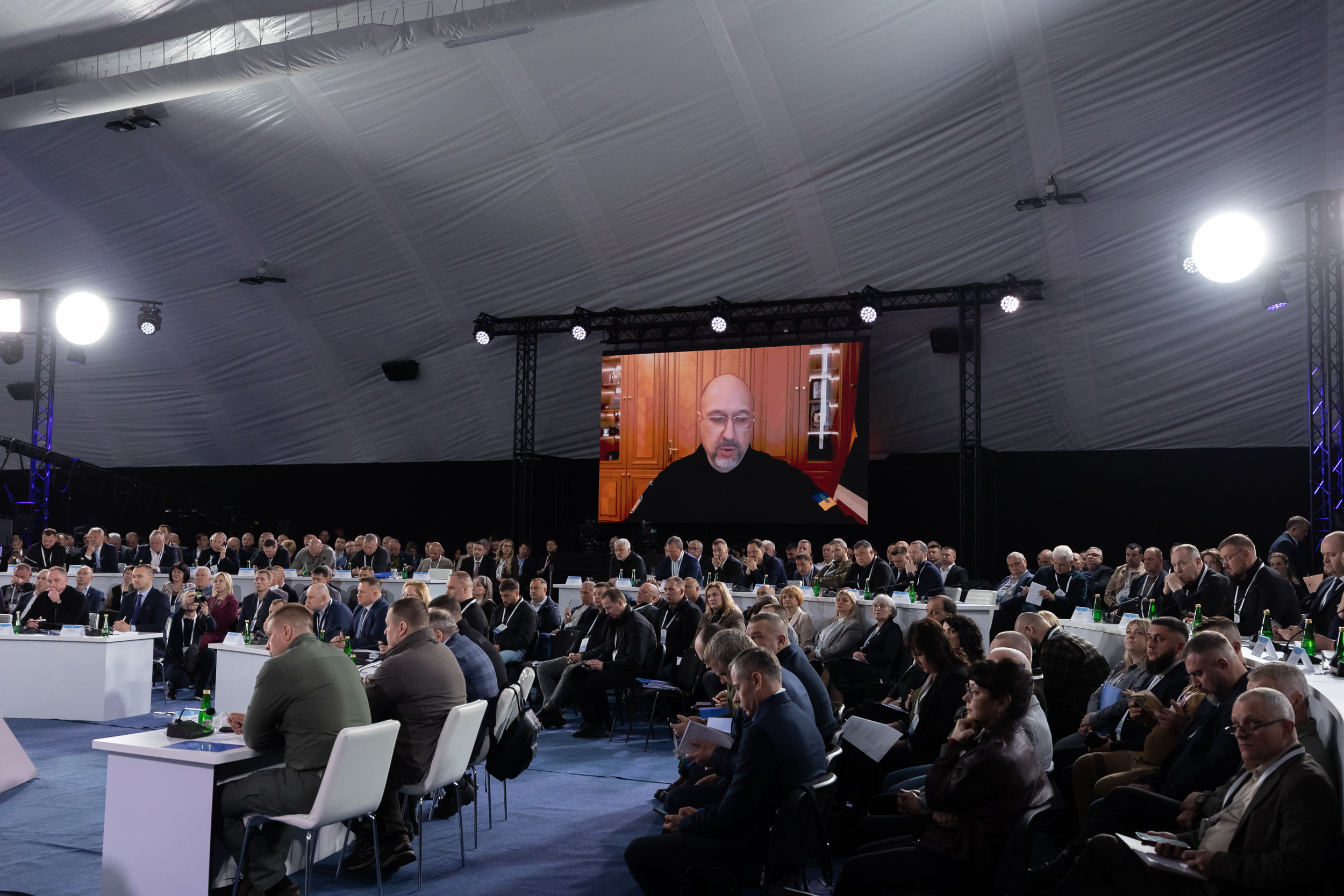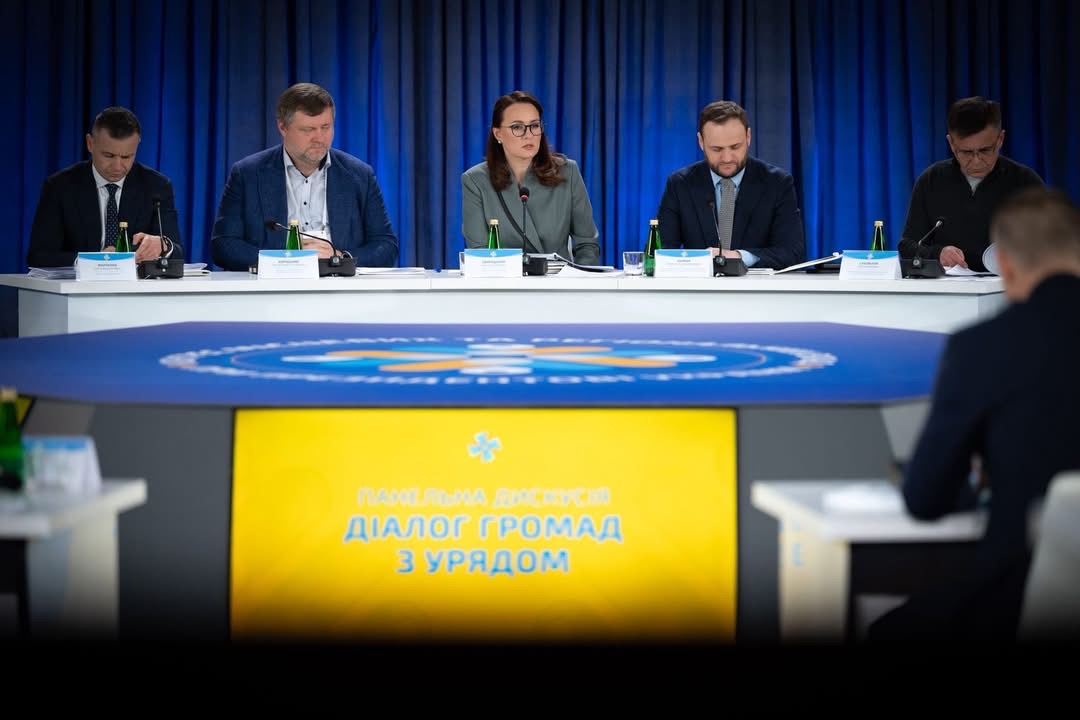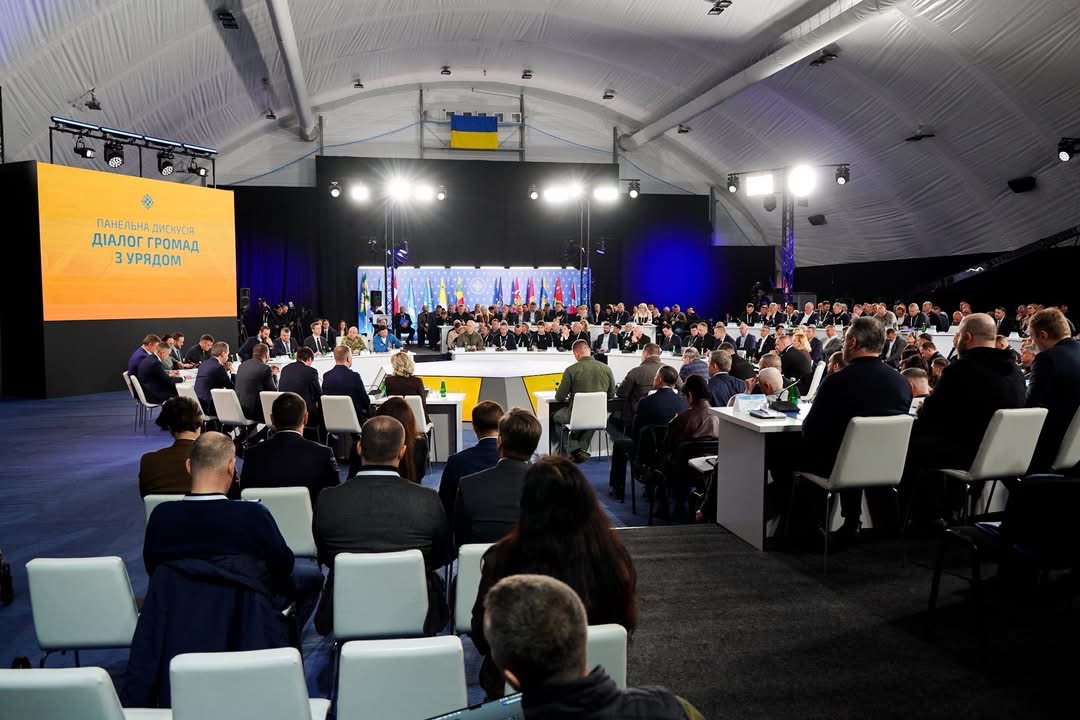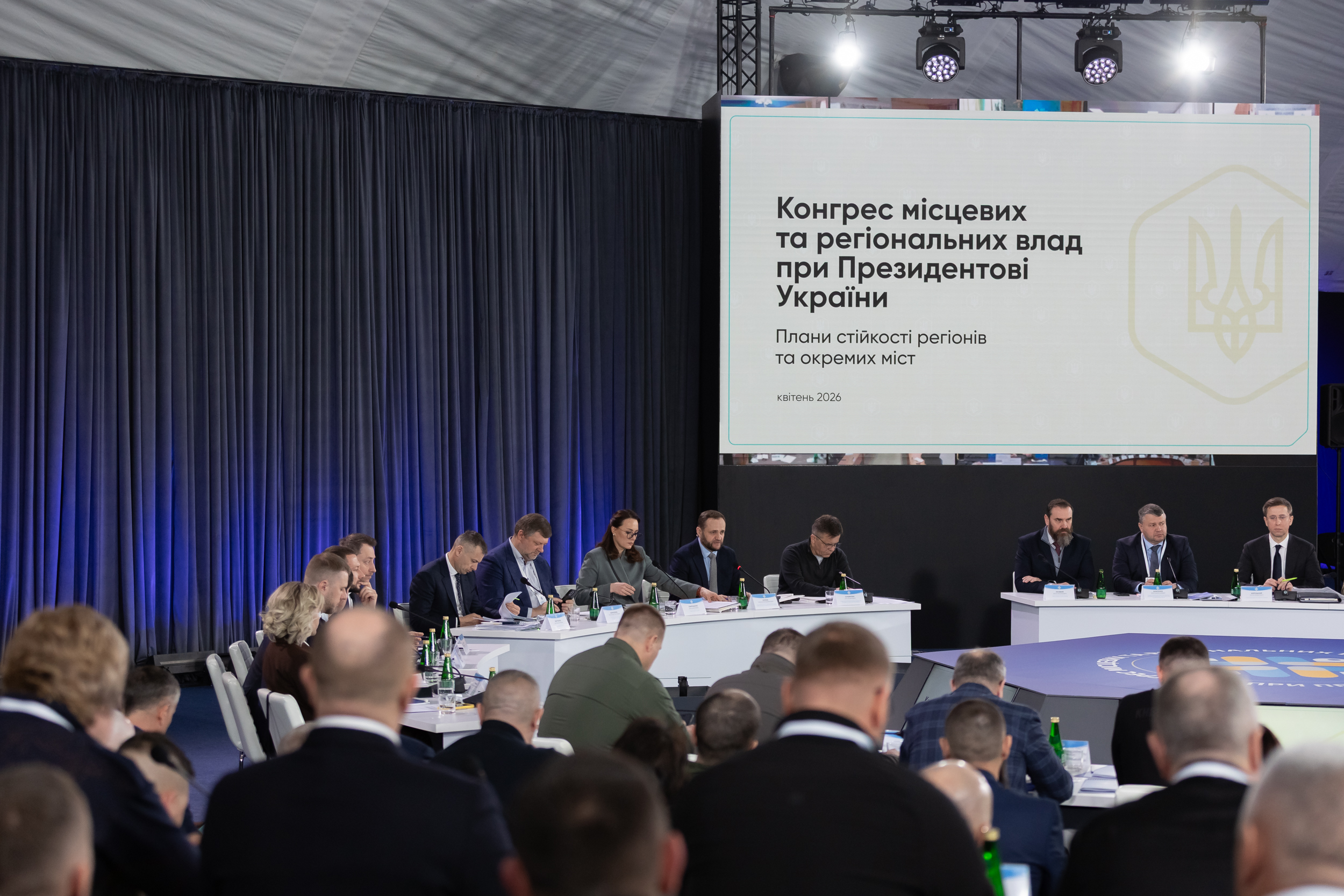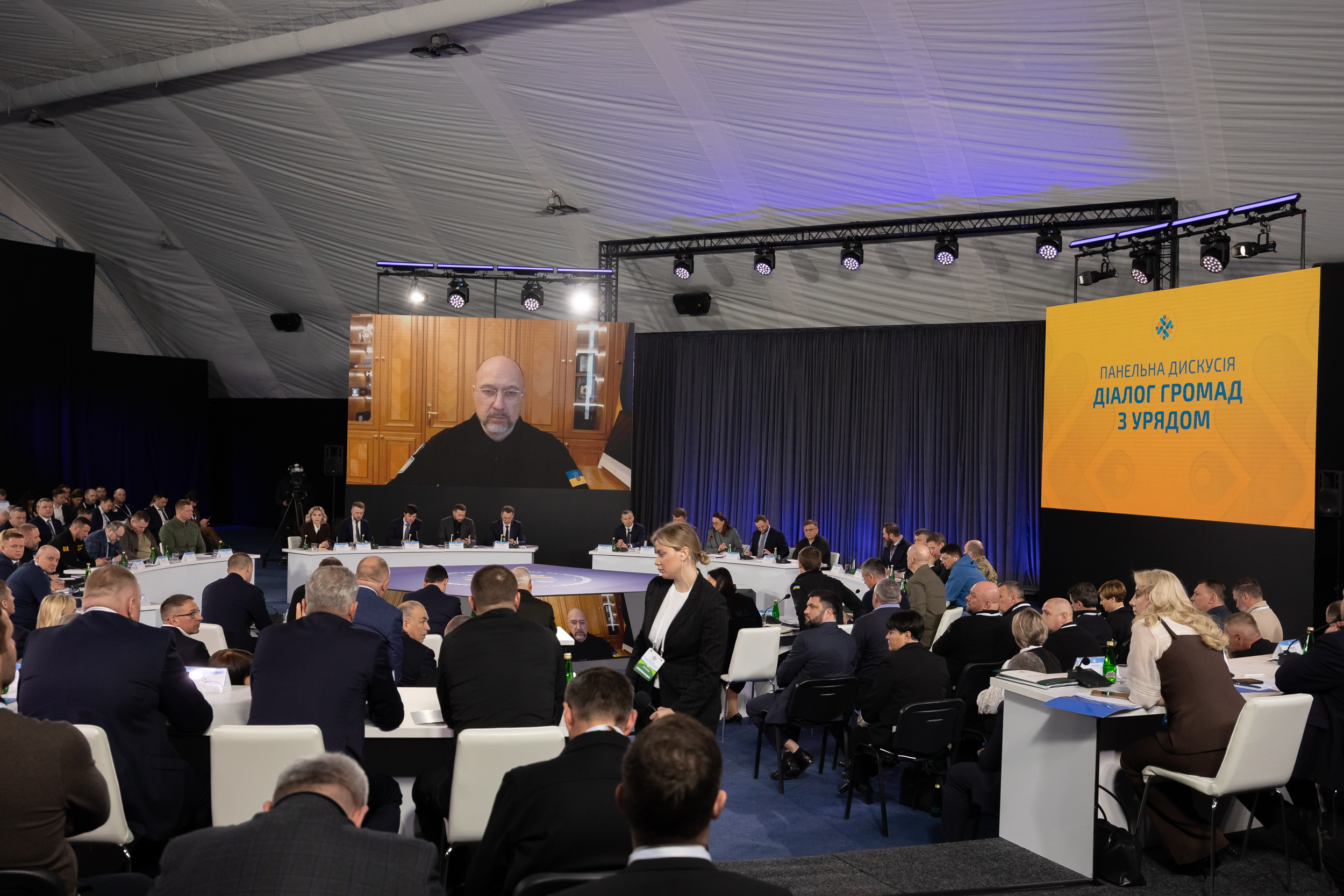
The First Deputy Prime Minister of Ukraine – Minister of Energy, Denys Shmyhal, took part in the Congress of Local and Regional Authorities under the President of Ukraine, where he presented the development of a new architecture of energy security.
During his address, Denys Shmyhal noted that Ukraine is establishing a network of “energy cells” — autonomous or semi-autonomous clusters where critical infrastructure can continue operating even in the event of damage to the central grid.
According to him, the new energy architecture will consist of three levels:
- nuclear generation: nuclear power plants provide stability that cannot be replaced; therefore, Ukraine will continue to develop its nuclear energy sector;
- flexibility, balancing and new generation: this includes flexible capacity, energy storage systems, and new generation facilities in areas where the system faces technical deficits.
“In 2026, a new tender will be launched for the construction of up to 1.3 GW of new generation capacity in areas where it is most needed: Poltava, Sumy, Kharkiv, Chernihiv, Kyiv, Odesa regions, and the city of Dnipro,” Denys Shmyhal stated;
local autonomy: cogeneration, small-scale gas units, and decentralized heat and water supply. This level requires active involvement of local authorities, and we count on productive cooperation.
“This year, Ukraine plans to commission 1.5 GW of new distributed gas generation — the same amount as has been commissioned over the entire period of the full-scale war. During the Congress, I outlined concrete steps in this direction,” Denys Shmyhal emphasized.
According to the Minister, state-owned energy companies Naftogaz of Ukraine and the Gas Transmission System Operator of Ukraine plan to install 232 MW and 92 MW of capacity respectively by the end of the year. In March alone, 102 MW of capacity has already been commissioned.
“The additional demand of the regions for equipment currently exceeds 500 MW. We are working with partners, including within the Energy Support Fund, to meet this need,” he noted.
The Government has already allocated funds from the reserve budget to install and connect existing cogeneration units in eight regions of Ukraine. The first tranche, amounting to UAH 307 million, will be disbursed in the near future, enabling the connection of 75 units with a total capacity of 96 MW.
The Ministry of Energy, together with the Ministry for Development of Communities and Territories and the Ministry of Economy, has prepared draft Government decisions aimed at simplifying procurement procedures for equipment within resilience plans, as well as related installation works.
In addition, the Ministry of Energy continues its dialogue with business. Denys Shmyhal noted that there are plans to extend support to all newly constructed generation facilities in frontline regions commissioned since December 2022, rather than only those commissioned from 1 December 2025. Work is also underway to extend the practice of Power Purchase Agreements (PPAs) to distributed gas generation entities, providing them with long-term price predictability, reducing risks, and enabling businesses to secure their own generation.
“We remain open to dialogue and cooperation with all communities and are always ready to provide support,” Denys Shmyhal concluded.