Electricity consumption typically increases during periods of extreme weather—both in winter, when temperatures drop significantly, and in summer, during heatwaves.
In winter, higher demand is driven by the widespread use of electric heating appliances. In summer, electricity consumption rises as households and businesses rely on air conditioners and cooling systems to maintain comfortable indoor temperatures.
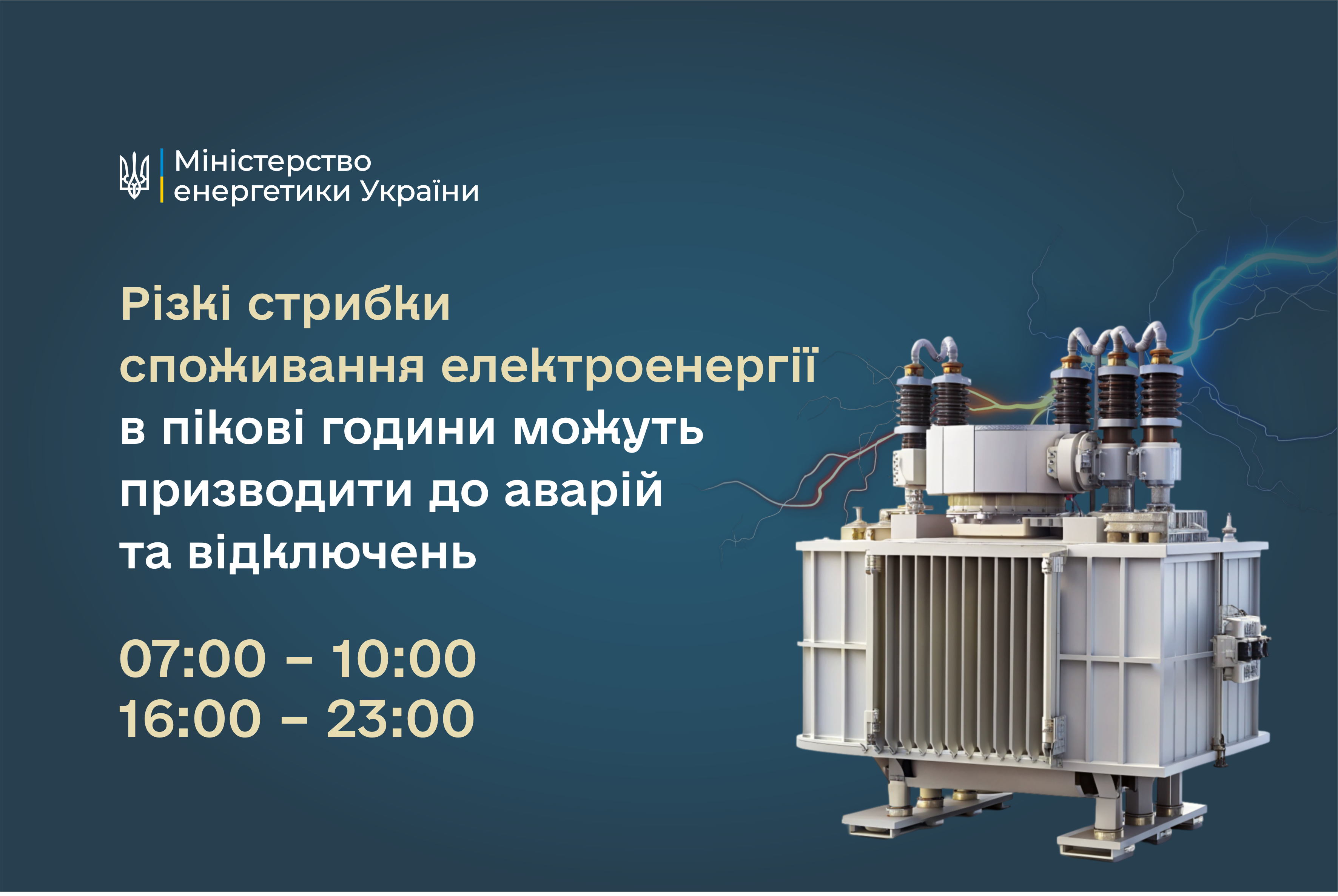
The greatest challenge for the power system comes during peak demand periods, from 07:00 to 10:00 and from 16:00 to 23:00.
- During hot weather, the simultaneous operation of thousands of air conditioners can add up to 2 GW of additional demand to the power system. Electricity consumption is further increased by refrigerators operating at maximum capacity and irrigation pumps used in private households.
- At the same time, many power generating units—particularly at nuclear power plants—undergo scheduled maintenance during the warmer months to prepare for the upcoming heating season, reducing the amount of available generation capacity.
- In addition, damage inflicted by Russian attacks on thermal and hydropower plants, which provide the flexible generation needed to balance the system, has made it more difficult to respond to sudden fluctuations in electricity demand.
- Electricity networks have also sustained significant damage as a result of continuous attacks. Excessive pressure on the grid therefore increases the risk of outages and emergency situations.
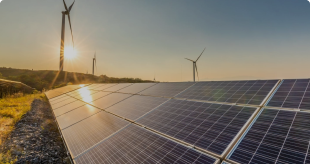
- The output of solar and wind power plants also depends on weather conditions. In particular, solar generation gradually declines during the evening hours, when electricity demand typically reaches its daily peak.
How Can You Help the Power System and Energy Workers?
- Use electricity responsibly, especially during evening peak hours.
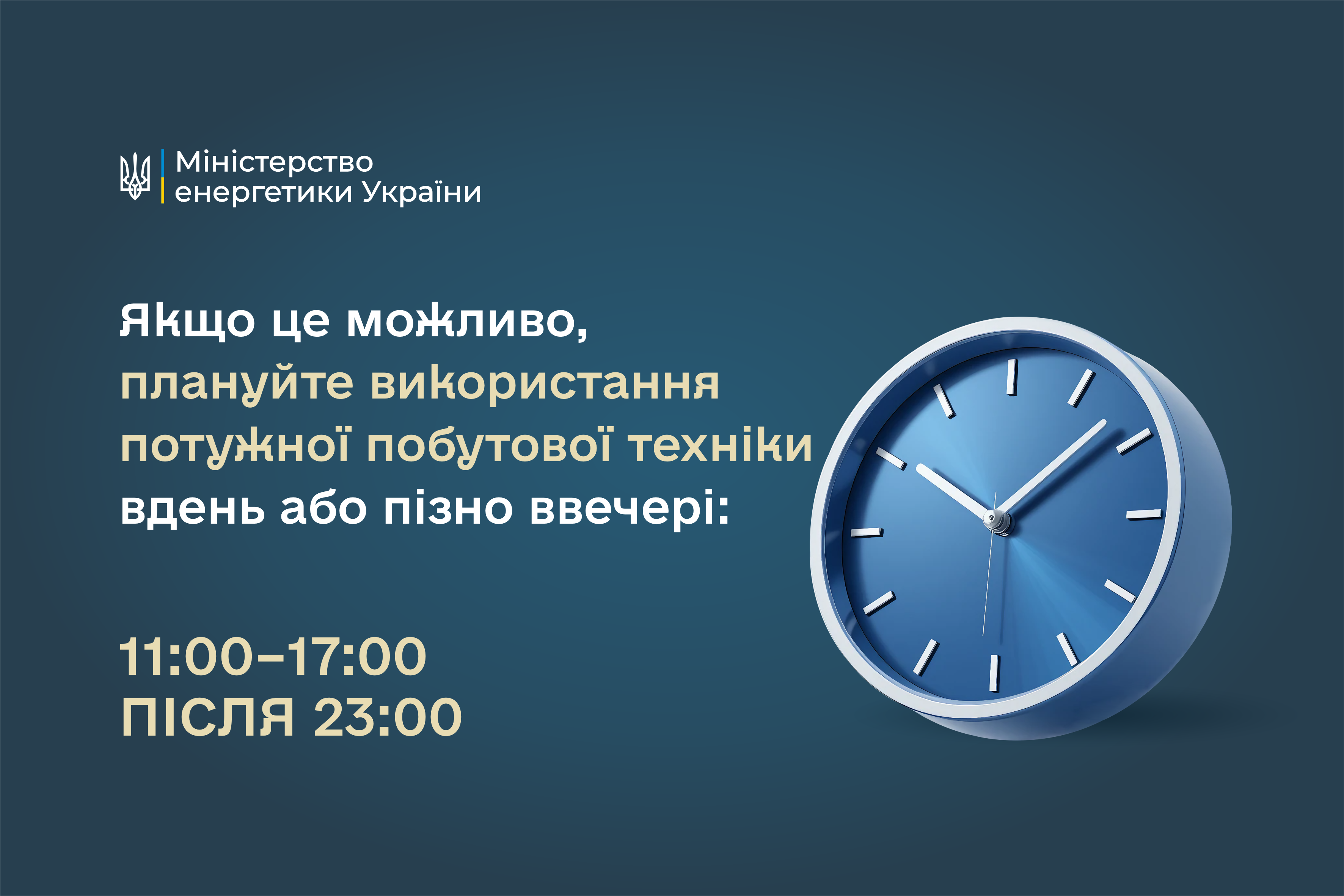
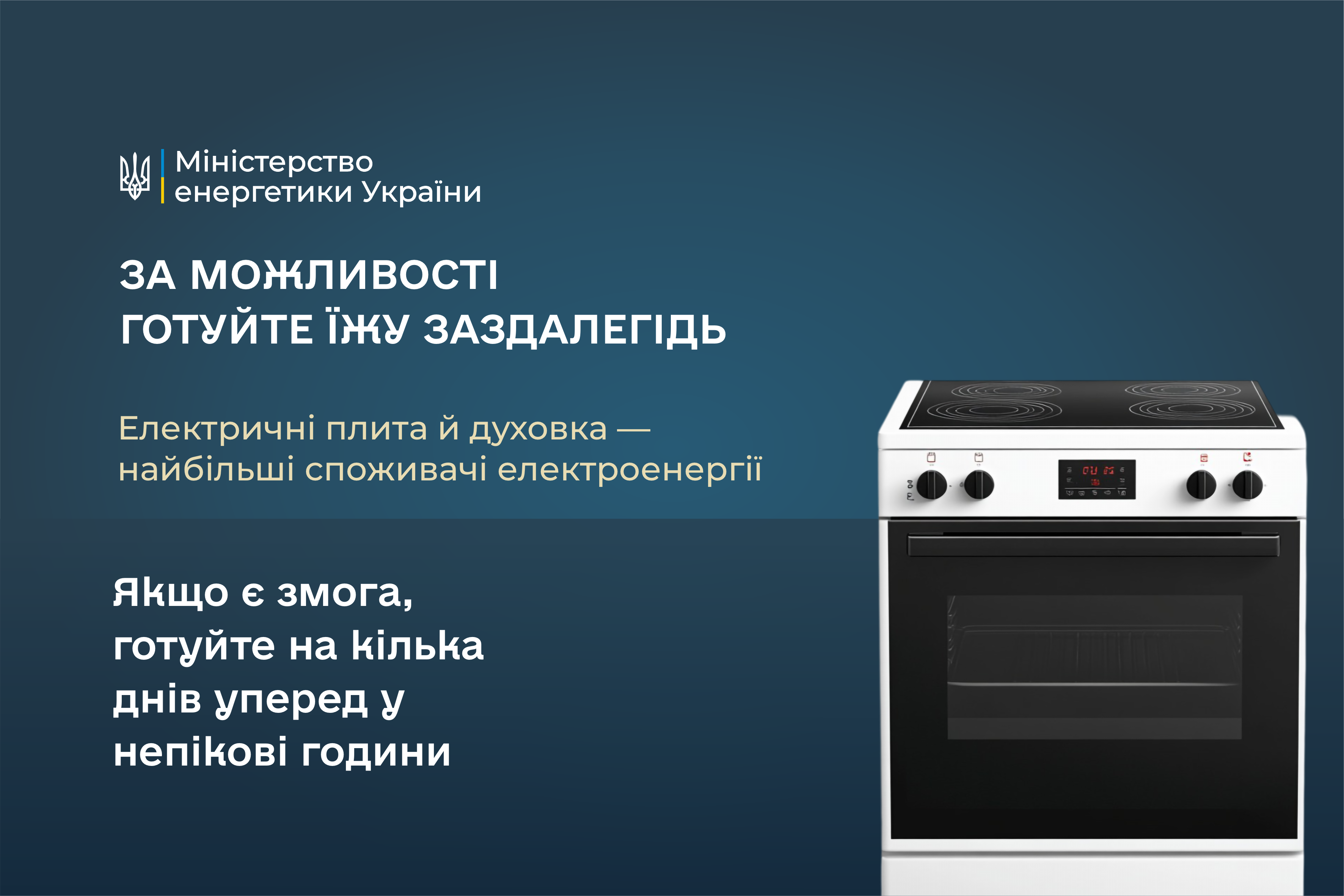
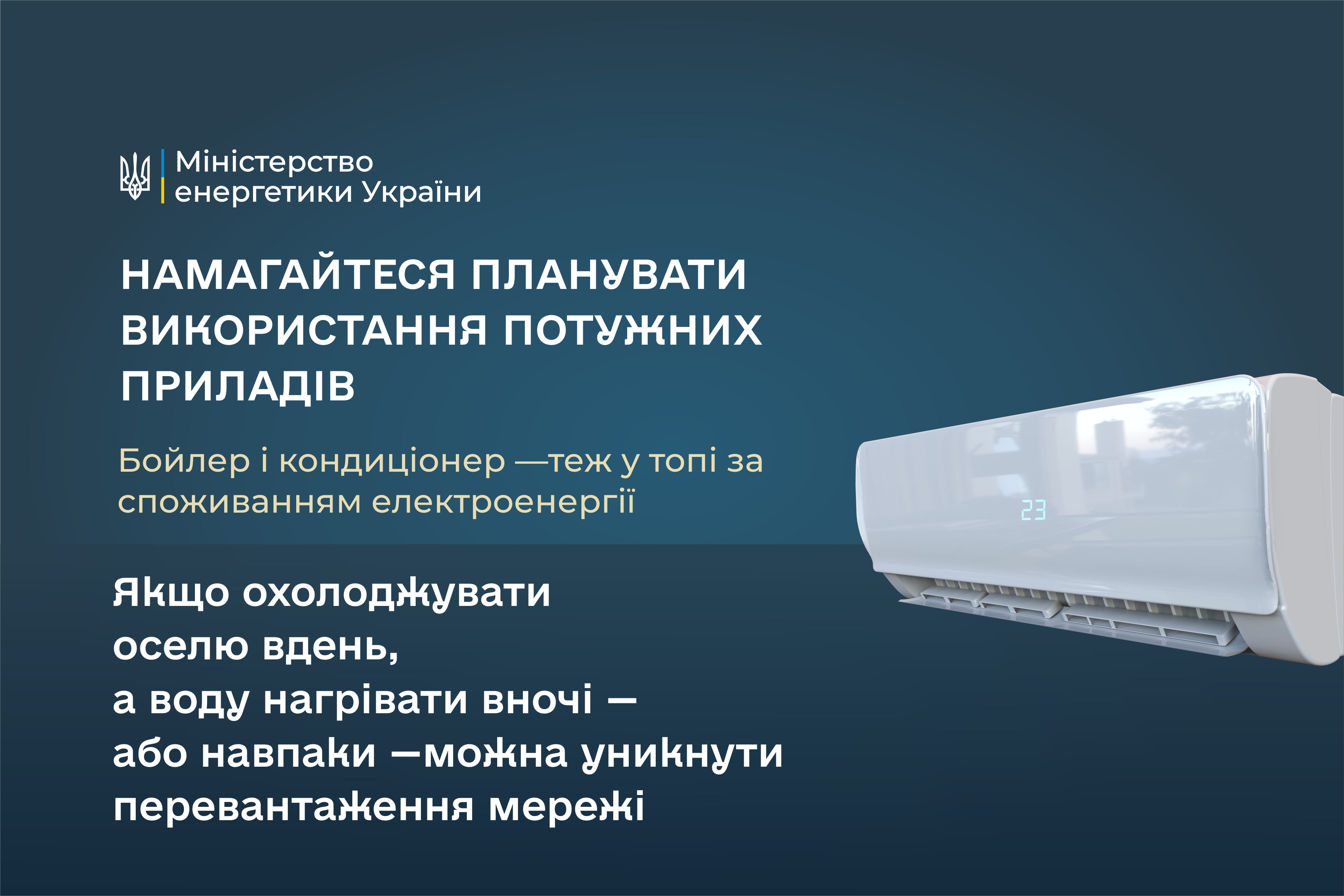
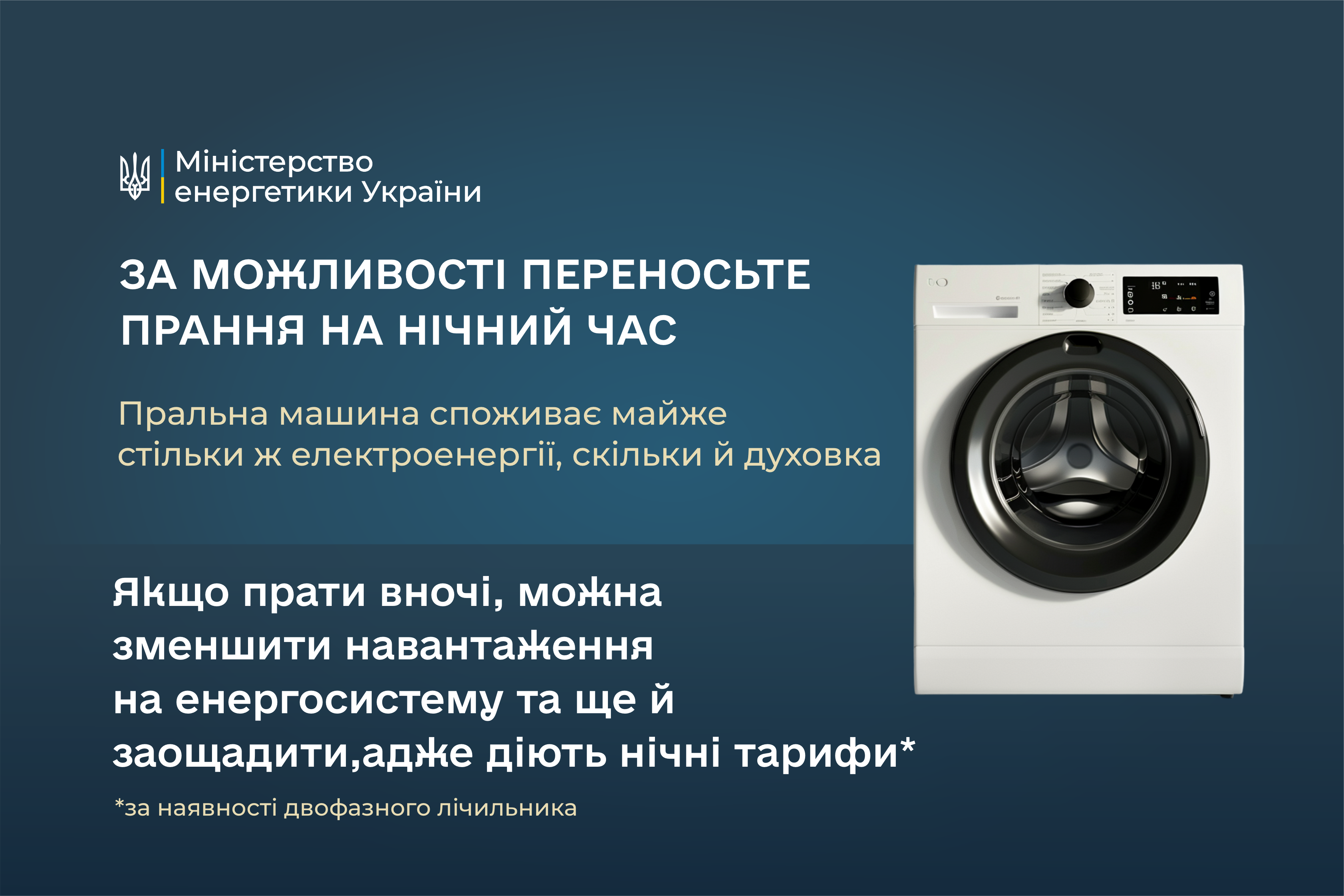
- Shift the use of high-power appliances, such as washing machines, dishwashers, and electric water heaters, to daytime hours or nighttime whenever possible.
- Keep your home cool by reducing direct sunlight indoors.
- Set your air conditioner to a moderate temperature (around 23–24°C) instead of the lowest setting. This reduces pressure on the power system while also lowering electricity bills.
- Close curtains or blinds during the hottest part of the day, or use reflective blinds or solar-control window films to reduce indoor heat.
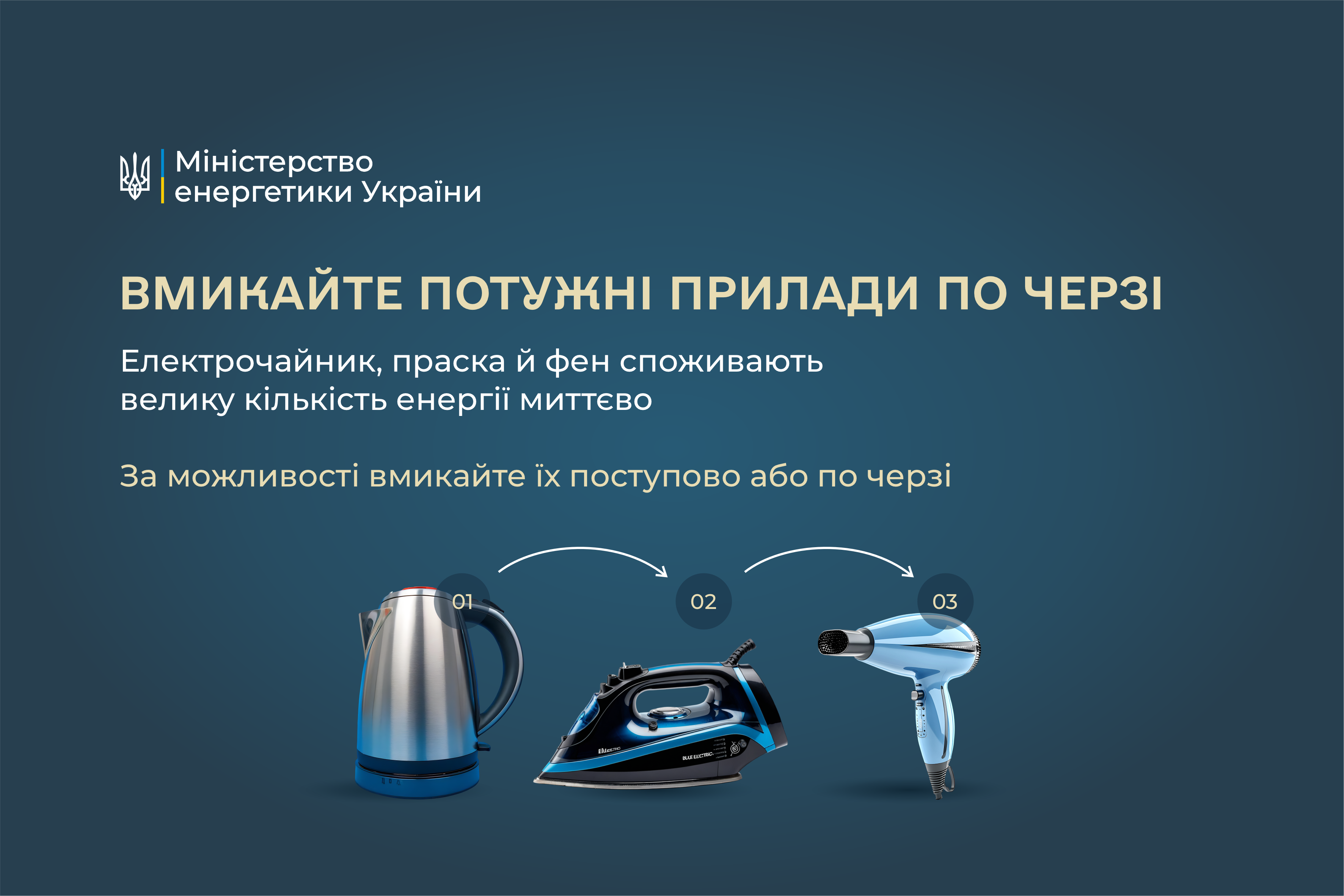
- Minimize the use of heat-generating appliances and unplug computers, televisions, and other electronic devices when they are not in use instead of leaving them on standby.
Following these simple energy-saving practices makes a meaningful contribution to the stability of Ukraine's power system and helps reduce the need for electricity consumption restrictions.