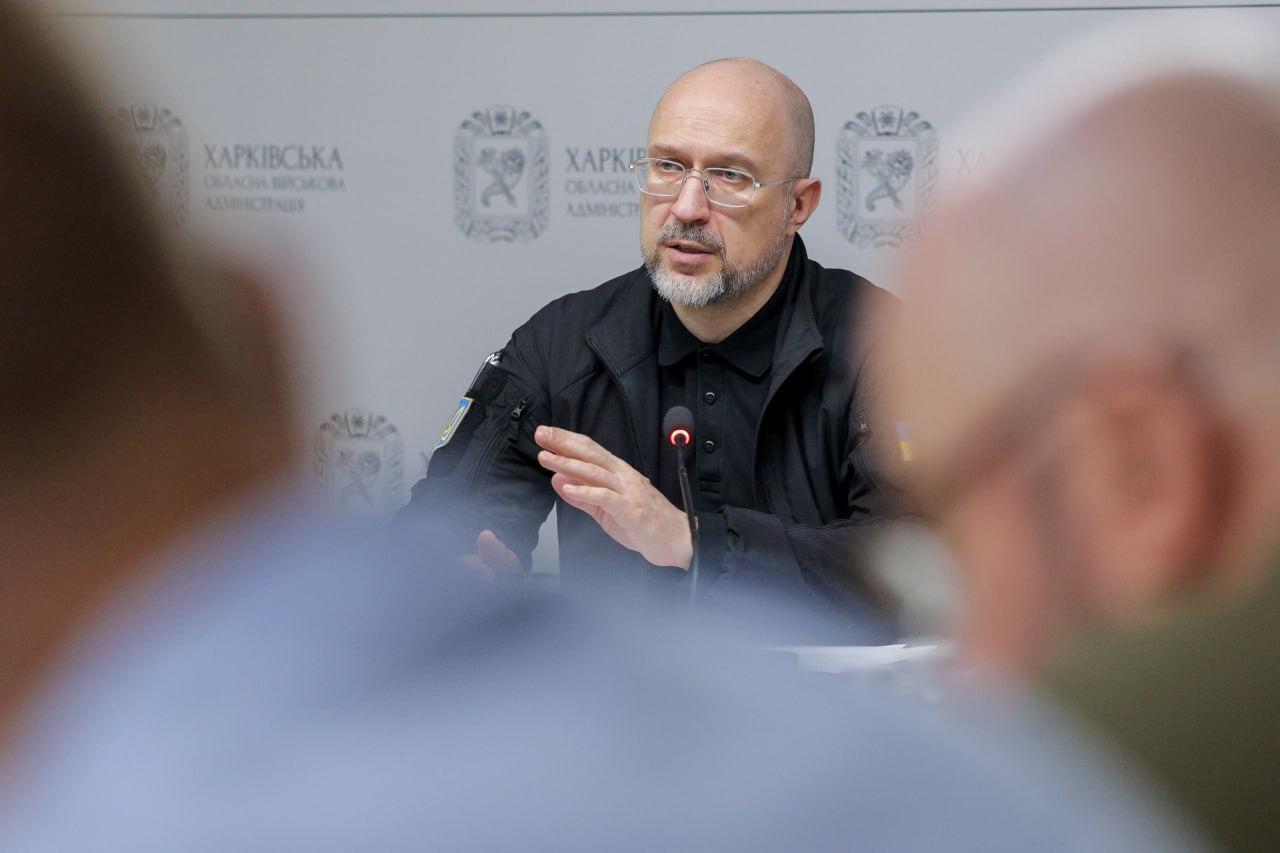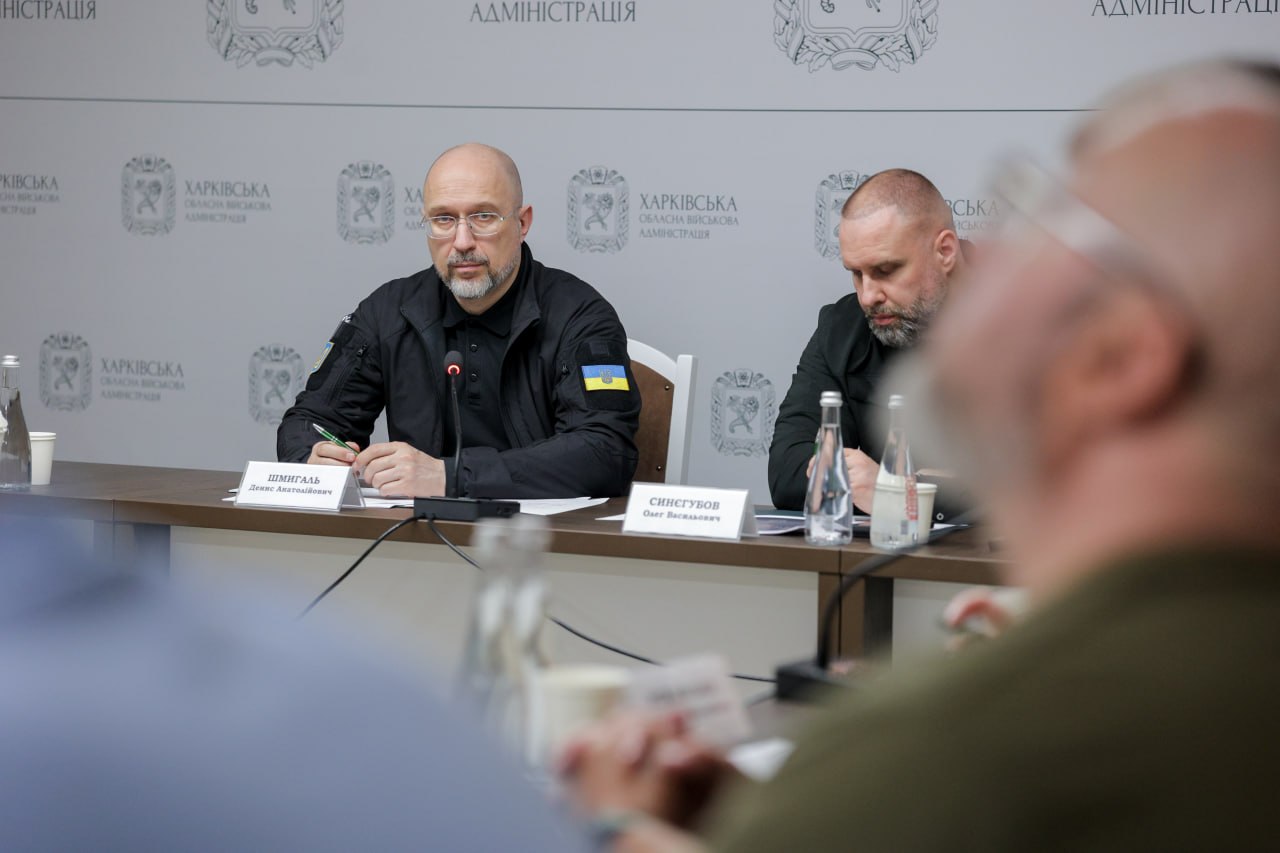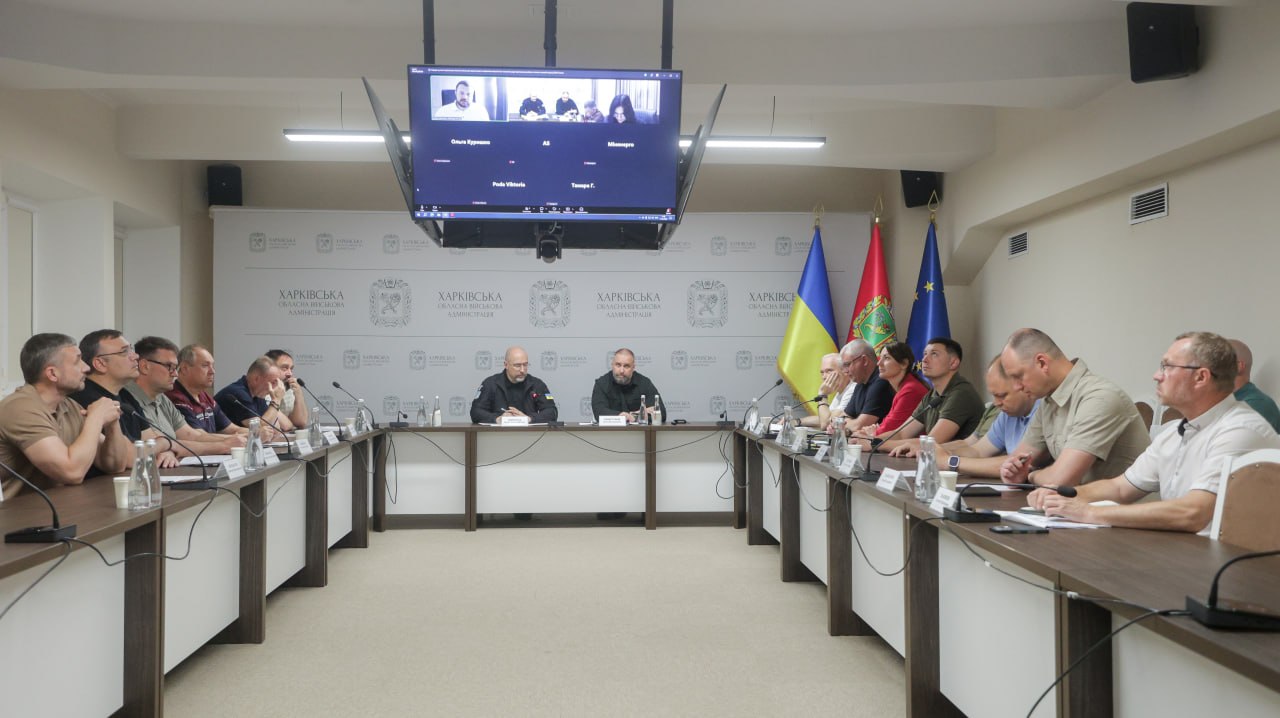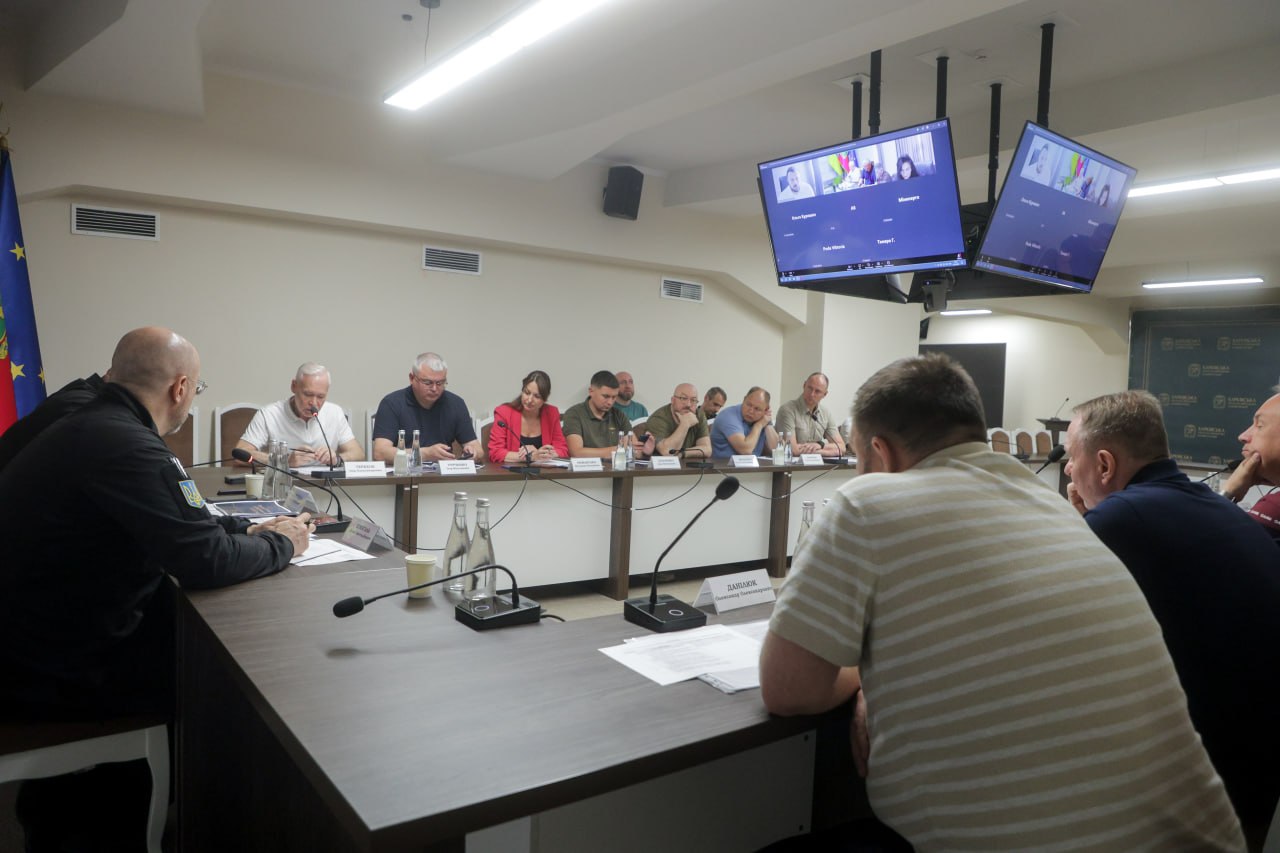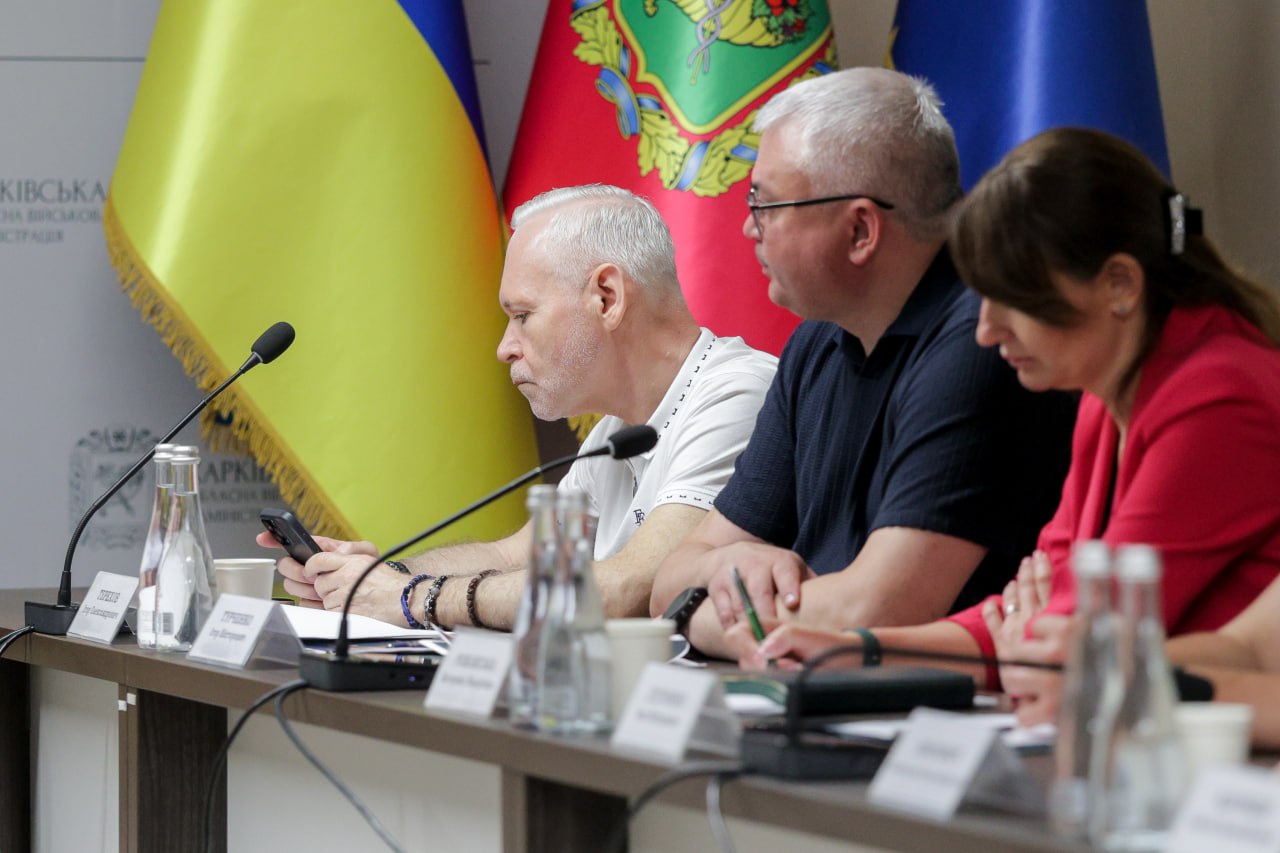
As part of his working visit to Kharkiv Region, First Deputy Prime Minister of Ukraine and Minister of Energy Denys Shmyhal chaired a coordination meeting with the leadership of the Regional Military Administration, the City of Kharkiv, and energy companies regarding preparations for the 2026/27 autumn-winter period.
The meeting focused on preparations of energy facilities and electricity networks for winter, as well as the current status of infrastructure recovery and protection measures and the availability of necessary equipment.
According to Denys Shmyhal, UAH 3.4 billion has been allocated under the Comprehensive Resilience Plan for Kharkiv Region.
“The Government has already allocated UAH 2.9 billion to strengthen the protection of energy facilities in Kharkiv Region. The Comprehensive Resilience Plan identifies 44 priority facilities with a total value of UAH 8.1 billion. In addition, projects worth UAH 420 million were launched in 2026 at 20 substations operated by Kharkivoblenergo,” the Minister reported.
The First Deputy Prime Minister and Minister of Energy noted that regular deliveries of equipment from the Ministry’s emergency energy hubs continue. He thanked international partners, particularly Australia, for their support, which will significantly strengthen the region’s autonomy and resilience, and announced that 250 transformers will be delivered to Kharkiv Region in the near future.
Kharkiv Region is also actively developing distributed generation capacities. According to Denys Shmyhal, more than 67 MW has already been commissioned, while an additional 55.4 MW is envisaged under the resilience plan. Construction works are ongoing and are expected to be completed on schedule before the start of the heating season.
“UAH 149.6 million was allocated from the state budget reserve fund for the installation of cogeneration units, while another UAH 358.3 million was allocated for modular boiler houses,” the Minister noted.
The meeting also addressed a number of challenges, including the debt burden of district heating companies resulting from tariff differentials. Following the discussion, the First Deputy Prime Minister and Minister of Energy issued relevant instructions.
“Our task is to prepare as thoroughly as possible for the challenges of the upcoming heating season. For its part, the Ministry of Energy continues systematic cooperation with international partners to attract equipment for the regions, support the restoration of damaged facilities, strengthen their protection, and develop new generation capacities,” Denys Shmyhal emphasized.