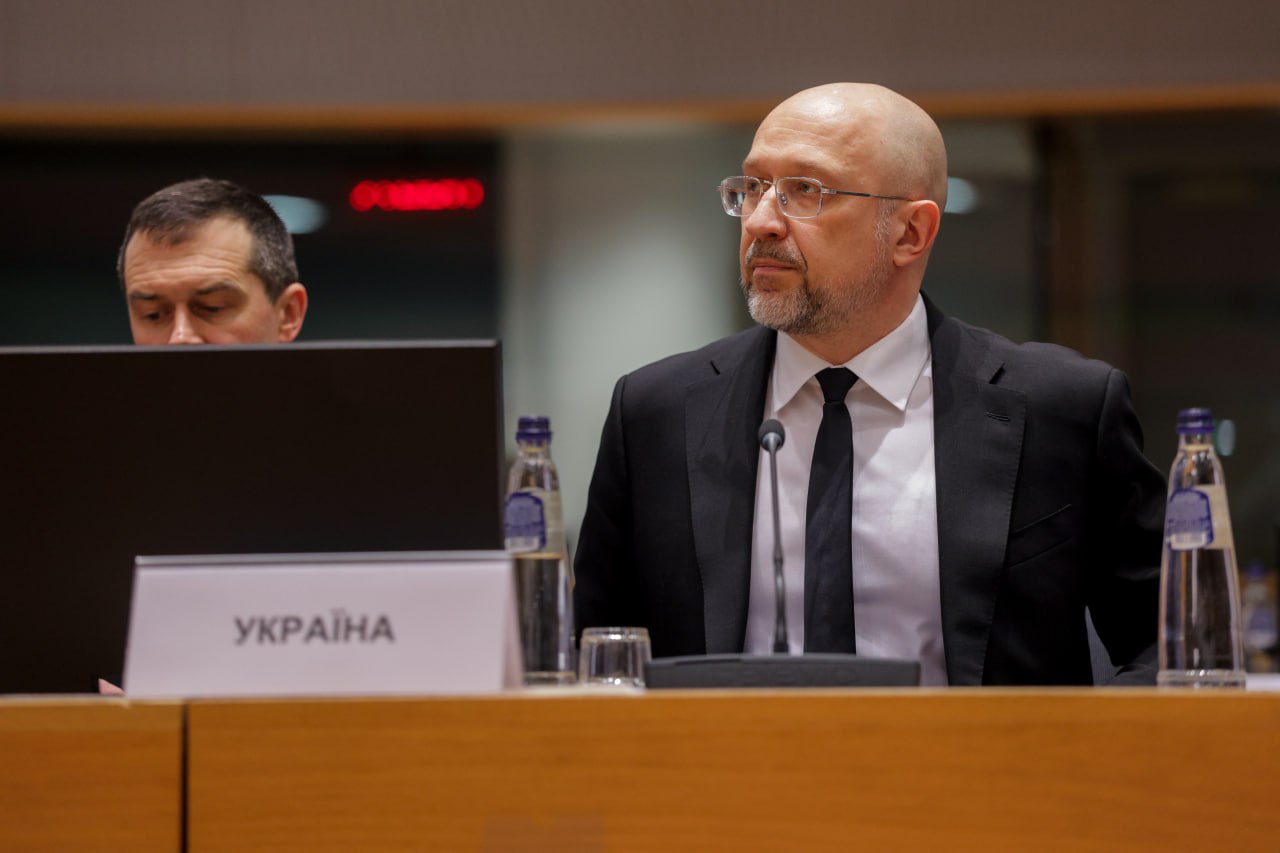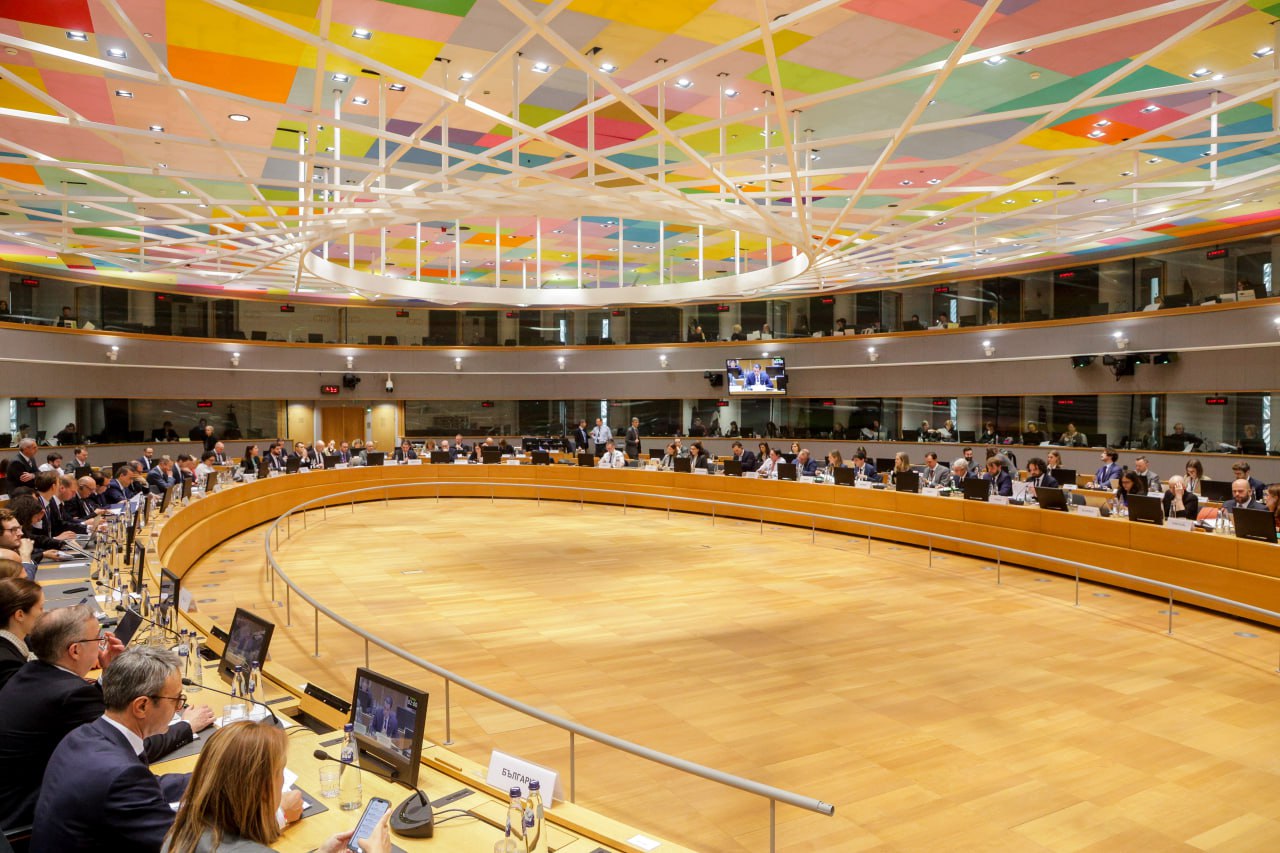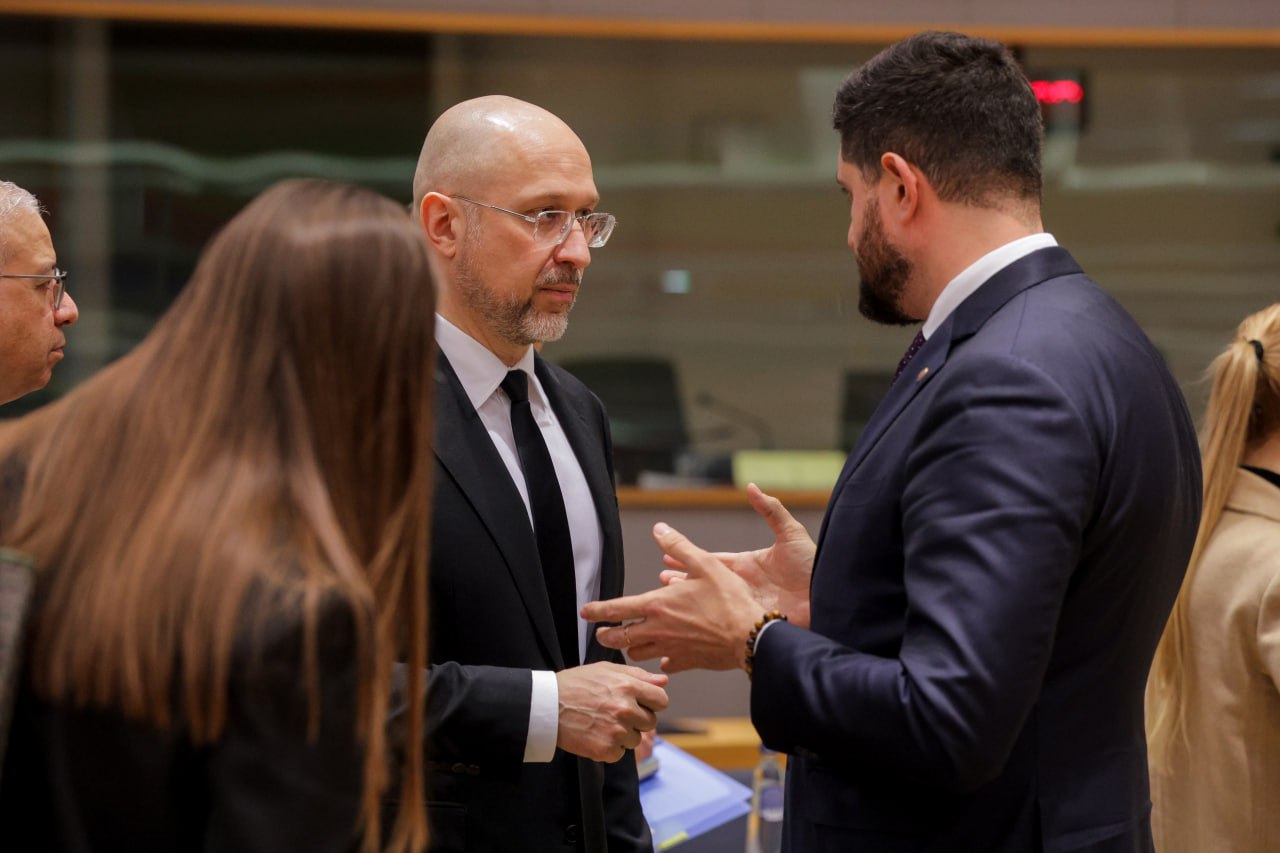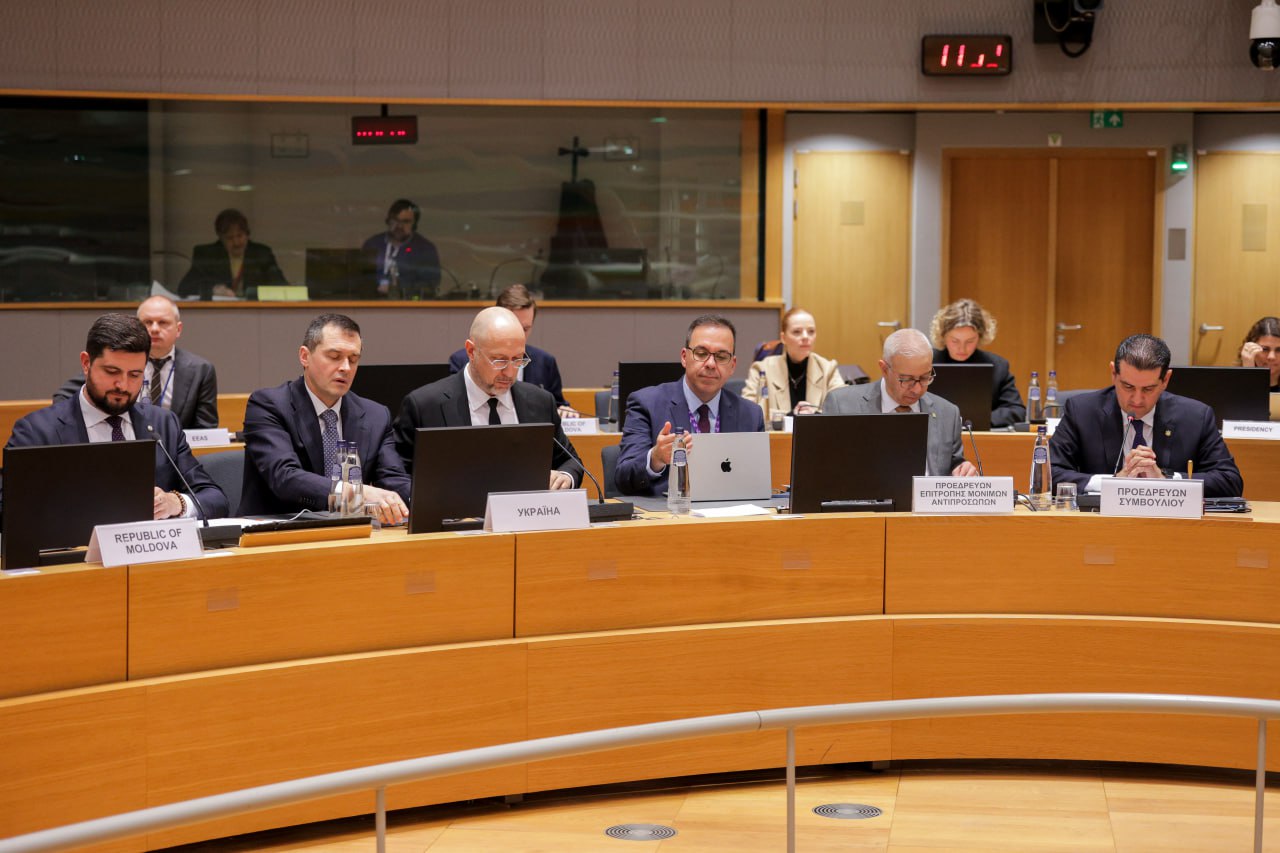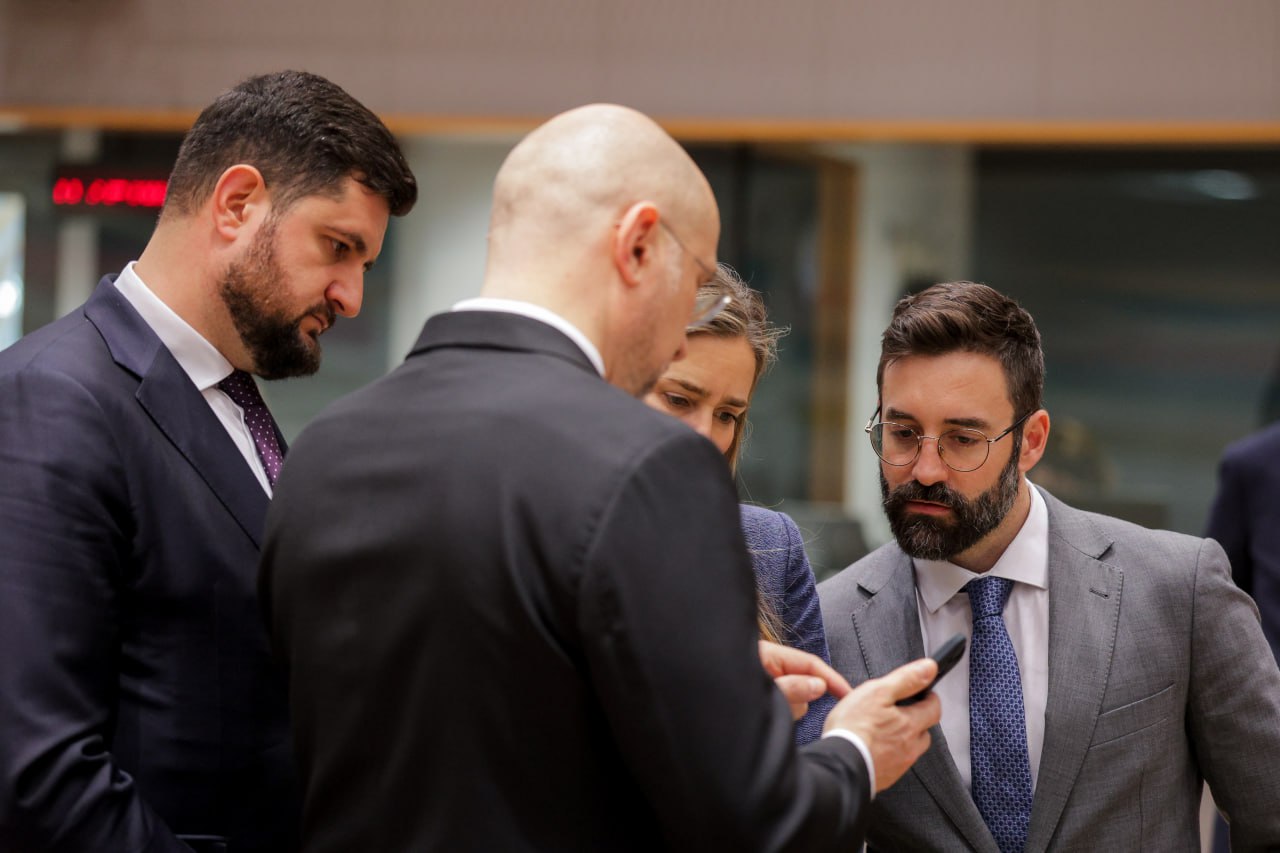
First Deputy Prime Minister of Ukraine – Minister of Energy Denys Shmyhal presented to European partners the key lessons learned from the operation of Ukraine’s energy system amid the full-scale war and sustained Russian attacks during a meeting of the EU Energy Council in Brussels.
“This winter, Ukraine’s energy system operated under conditions of high-intensity Russian strikes. On 31 January, hostile attacks led to the temporary disconnection of the power systems of Ukraine and Moldova from continental Europe. This incident underscores that the Russian threat knows no borders,” Denys Shmyhal emphasized.
The Minister noted that Ukraine’s experience is highly relevant for European partners in planning the resilience of energy systems to emerging security challenges.
The first key lesson is the need for comprehensive protection of energy infrastructure.
“The integration of active protection (air defence and electronic warfare systems) and passive protection (blast-resistant structures and physical fortifications) must be embedded in every modernization and new construction project. Long-range drones can reach virtually any part of Europe. Therefore, rethinking energy infrastructure must begin now,” he stressed.
The second lesson is the importance of rapid restoration of damaged facilities and the creation of strategic equipment reserves. Denys Shmyhal highlighted that Ukrainian energy hubs played a crucial role in maintaining system stability this winter; however, substantial reserves of critical equipment are required to respond effectively to future attacks.
The third lesson concerns strengthening financial instruments for responding to energy crises.
“Energy security today requires swift decision-making, rapid procurement, and access to financial resources for infrastructure recovery,” he added.
The fourth lesson is the transformation of energy system architecture, including complementing traditional systems with autonomous energy clusters capable of operating independently.
The fifth key element is further diversification of energy systems and enhanced cross-border integration. Ukraine’s power system is already synchronized with the continental European network, and the next step is to expand electricity import capacity from the European Union to 3.5 GW.
“Ukraine stands ready to support Europe. We see our future within the European Union. Together, we will build a safer and more resilient future,” Denys Shmyhal concluded.