Ukraine is an integral component of the emerging model of transatlantic energy relations between Europe and the United States, where regional gas security is ensured through diversified supply routes and transparent market mechanisms. The utilization of Ukraine’s gas transmission system and underground gas storage facilities to store and balance American LNG supplies to Eastern Europe will significantly strengthen this architecture.
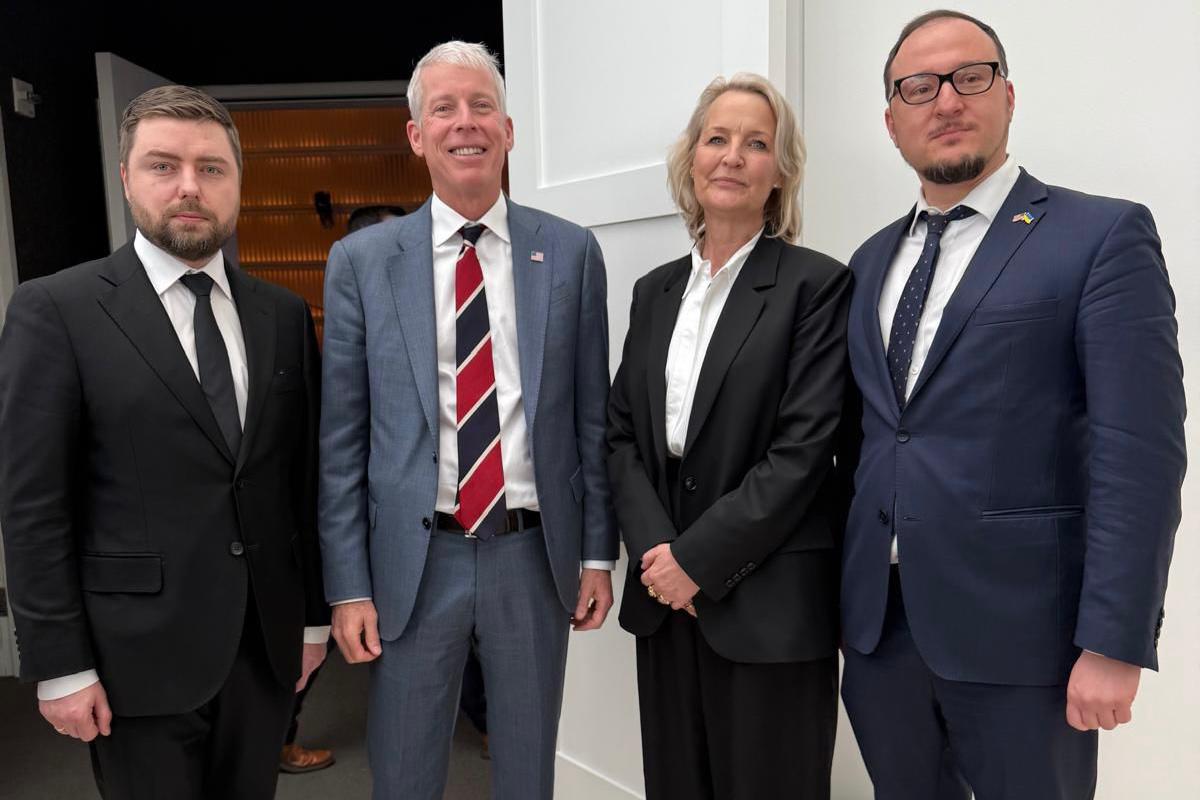
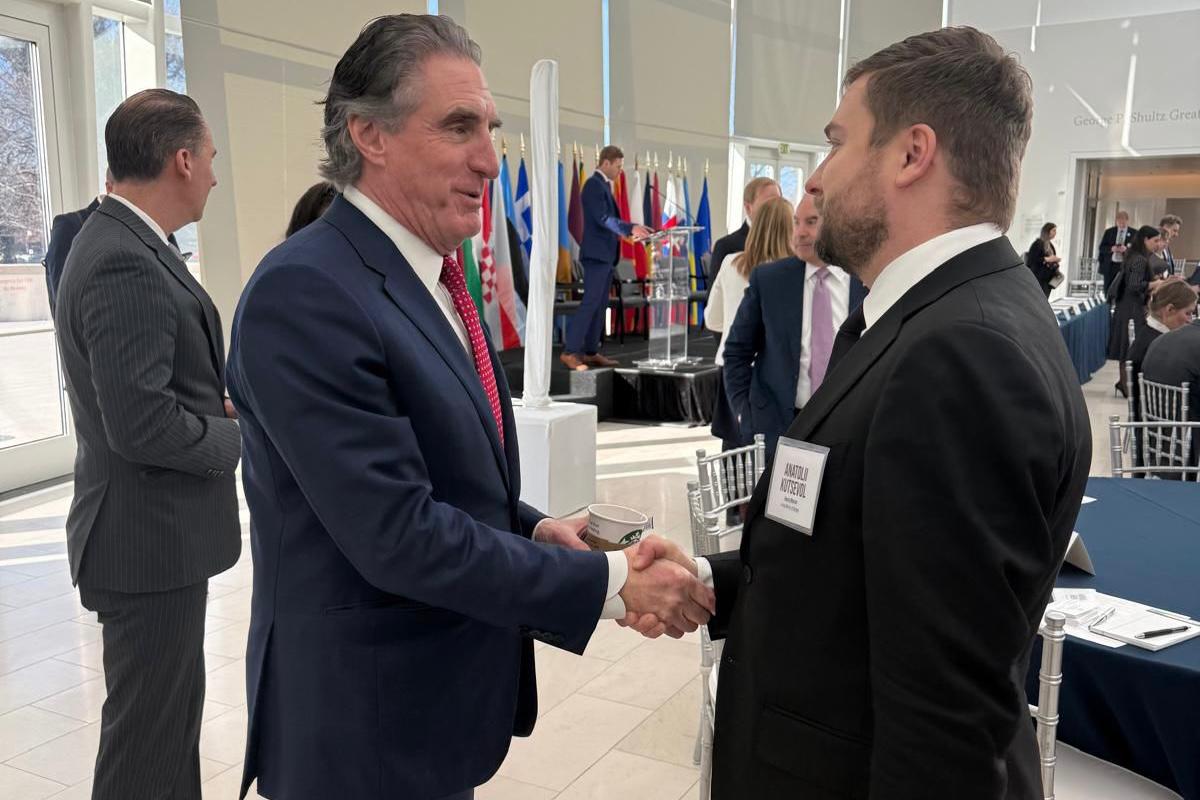
This was emphasized by Anatoliy Kutsevol, Deputy Minister of Energy of Ukraine for European Integration, during his remarks at the panel discussion “The Future of Energy Relations between the US and Europe: The Coming Decades”, held within the framework of the Transatlantic Gas Security Summit in Washington, D.C.
Anatoliy Kutsevol underlined that the transatlantic energy partnership should encompass a broad range of European countries. In this context, gas supplies should be routed primarily through the Northern Corridor - via Poland and the Baltic States - as well as through the Vertical Gas Corridor, originating in Greece and passing through Bulgaria and Romania.
According to the Deputy Minister, the Vertical Corridor represents one of the most strategically important new energy projects in Europe. Its current operation must be coordinated, efficient, and competitive. In the longer term, its role in strengthening energy security will depend on the development of additional infrastructure, reduced transit tariffs along the entire route, and the conclusion of long-term supply contracts.
“We can build transatlantic energy relations that reach every corner of Europe - replacing the gap created by the strategic rejection of russian energy supplies with reliable, transparent, market-based alternatives. This architecture will utilize Ukrainian underground gas storage facilities and pipelines as a connective link between coastal LNG terminals and domestic consumers, transforming energy security from an emergency response mechanism into a permanent structural framework,” Anatoliy Kutsevol stressed.
At the same time, he emphasized the critical importance of strengthening air defense to protect Ukraine’s gas and energy infrastructure from russian attacks: “Air defense for Ukraine’s energy infrastructure is not a humanitarian gesture - it is a commercial prerequisite. It is a critically important factor for ensuring the proper functioning of the entire transatlantic energy architecture in Central and Eastern Europe.”
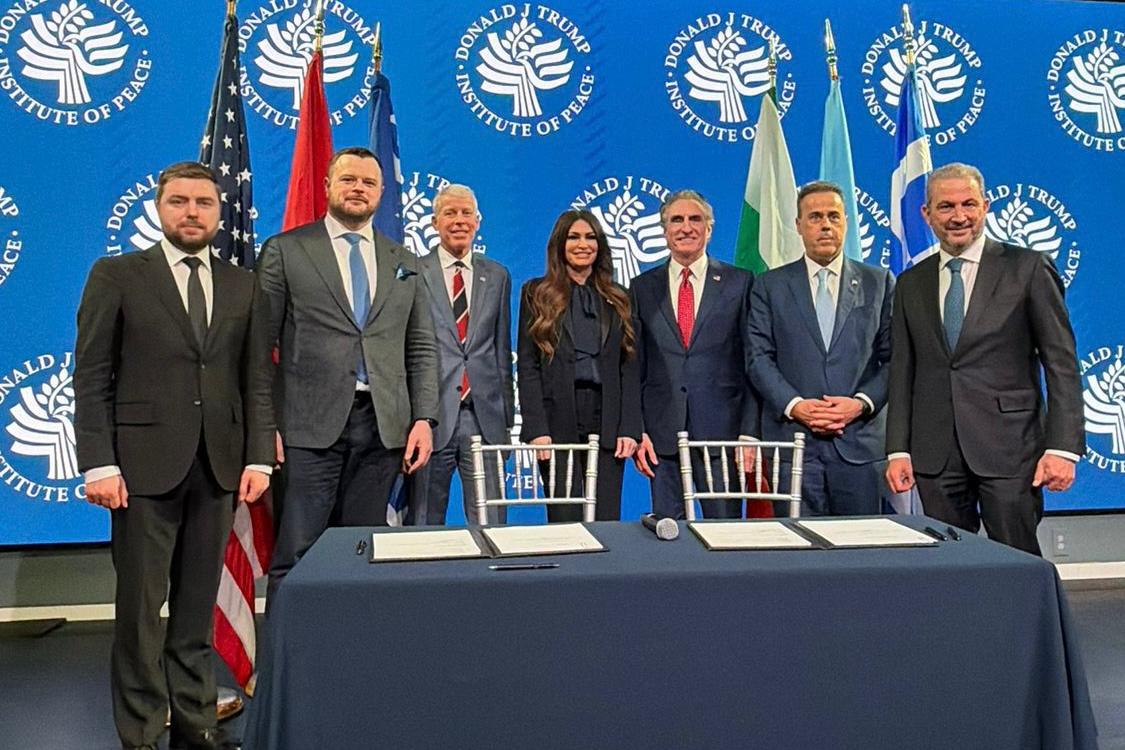
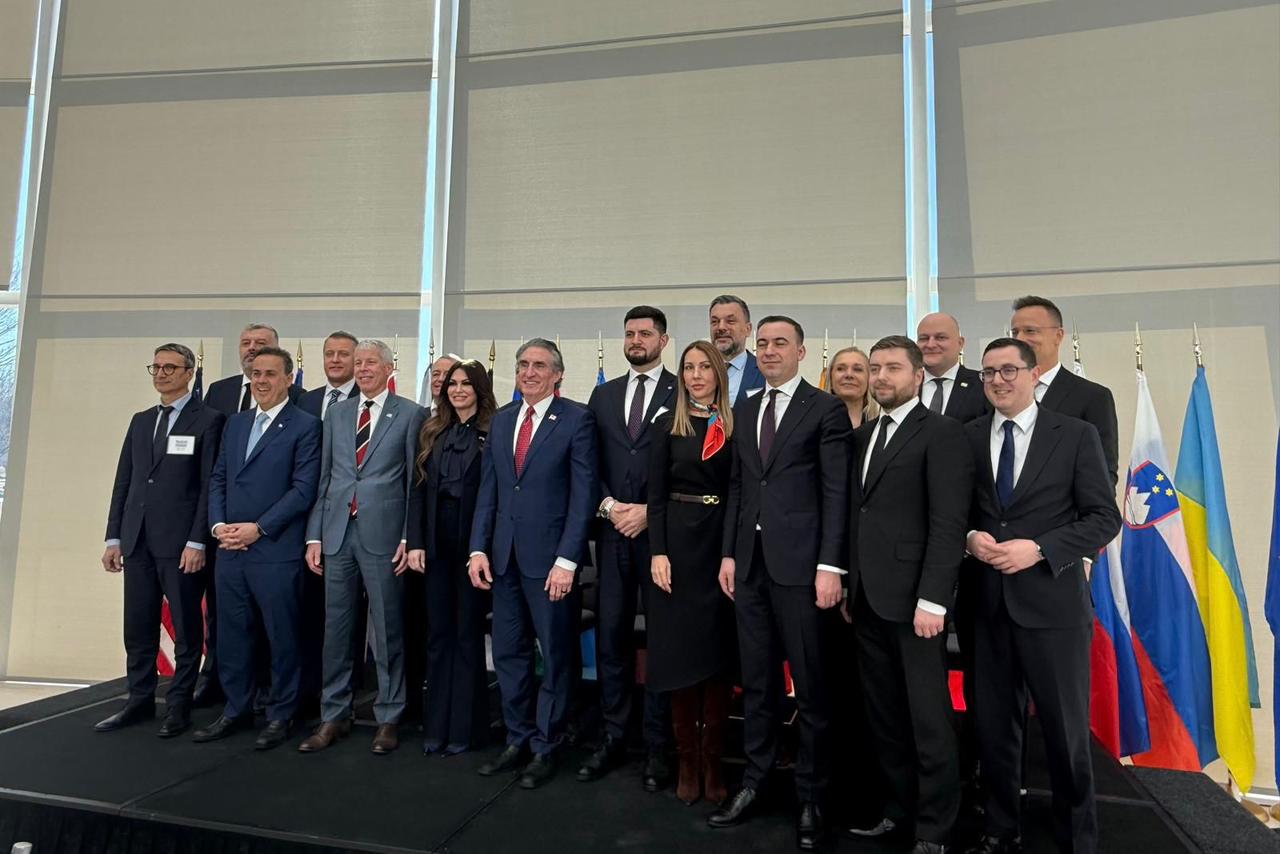
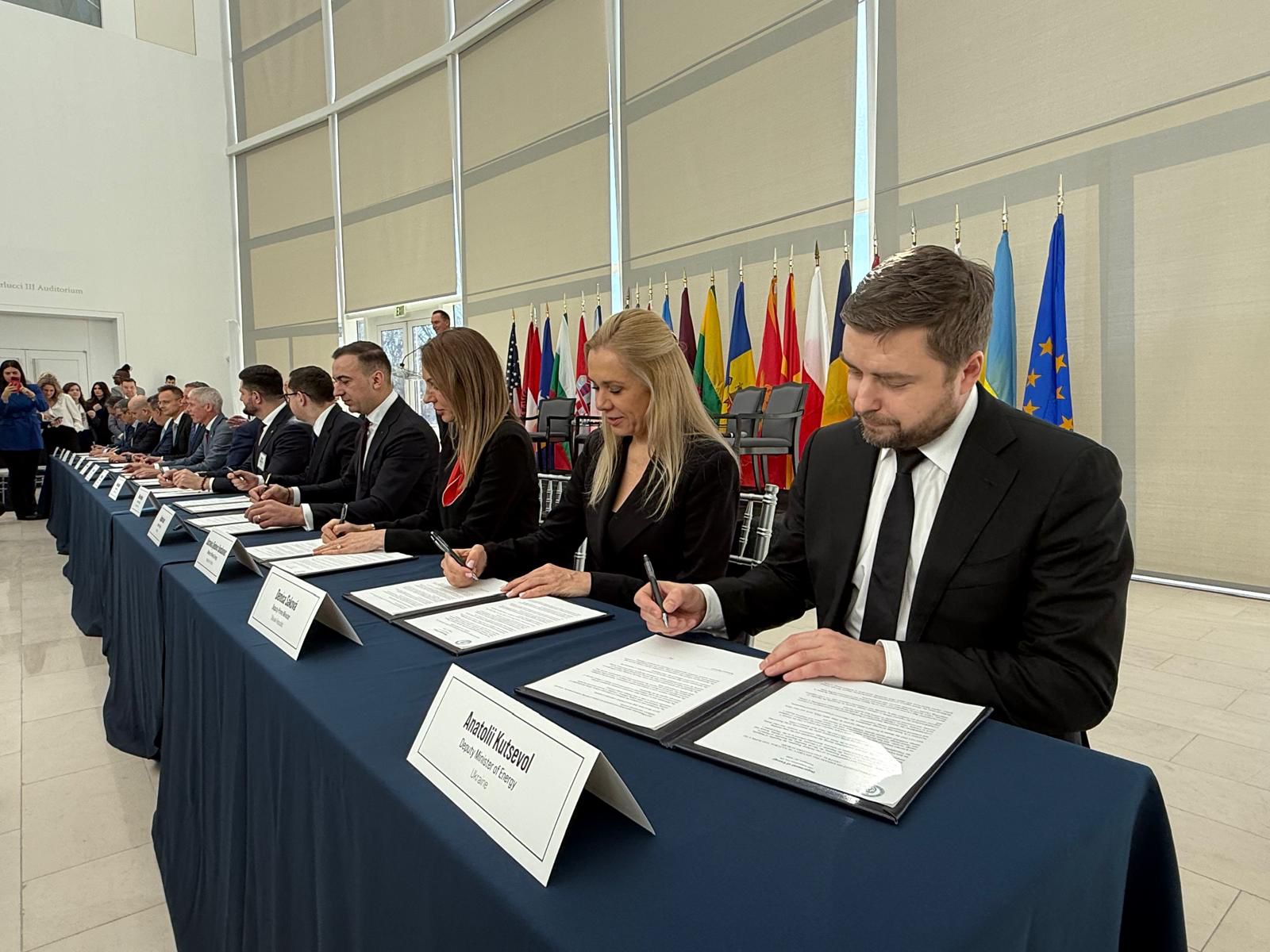
Following the Summit, participants adopted a Joint Statement signed by representatives of the Hellenic Republic, the Republic of Bulgaria, Hungary, the Republic of Poland, Romania, the Slovak Republic, the Republic of Moldova, Ukraine, the Republic of Croatia, the Republic of Lithuania, the Republic of Serbia, Bosnia and Herzegovina, and the United States of America.
The Statement reaffirms the parties’ commitment to strengthening Europe’s energy security and supply diversification, ensuring stable and sustainable energy flows, eliminating russian energy resources from Europe’s energy balance, and creating new mutually beneficial opportunities for American and European companies.
The Transatlantic Gas Security Summit was organized under the chairmanship of the Chairman of the U.S. Energy Dominance Council, U.S. Secretary of the Interior Doug Burgum, and co-chaired by U.S. Secretary of Energy Chris Wright.